

HVAC Retrofit Solutions: Upgrade Your Building for Efficiency and Comfort
2026-11-02
Your building's HVAC system may be running, but is it really working for you? Aging equipment often hides inefficiencies that inflate energy bills and leave occupants uncomfortable. A retrofit isn't just a repair—it's a strategic upgrade that can transform performance. At Tongbaote, we help building owners cut through the noise and target what matters. Here's what you need to know before you commit to a retrofit.
Your HVAC System Might Be Working Harder Than It Needs To
A lot of heating and cooling equipment runs longer than it should, not because the house needs more conditioned air, but because the system is quietly fighting itself. A dirty filter is the easiest example: it chokes off airflow, makes the blower pull harder, and forces the whole cycle to stretch out just to hit the same indoor temperature. That extra effort rarely shows up as a dramatic breakdown, but it does show up on monthly bills.
Duct leaks create a similar problem from a different angle. When cooled or heated air escapes into an attic or crawl space before it reaches the bedrooms and living areas, the thermostat keeps reading a room that hasn't reached the set point. The result is longer run times, more wear on the compressor and fan, and uneven temperatures that are easy to blame on the weather instead of the delivery path.
Sometimes the issue sits in the controls. An older thermostat with a drifting temperature sensor, or a schedule that no longer matches the household's actual routine, can make the equipment start and stop more often than necessary. Even a wrong fan setting can keep air moving after the heating or cooling cycle has done its job. These are low-cost checks that often bring run times back down without replacing major components.
Retrofit Choices That Deliver Immediate Efficiency Gains
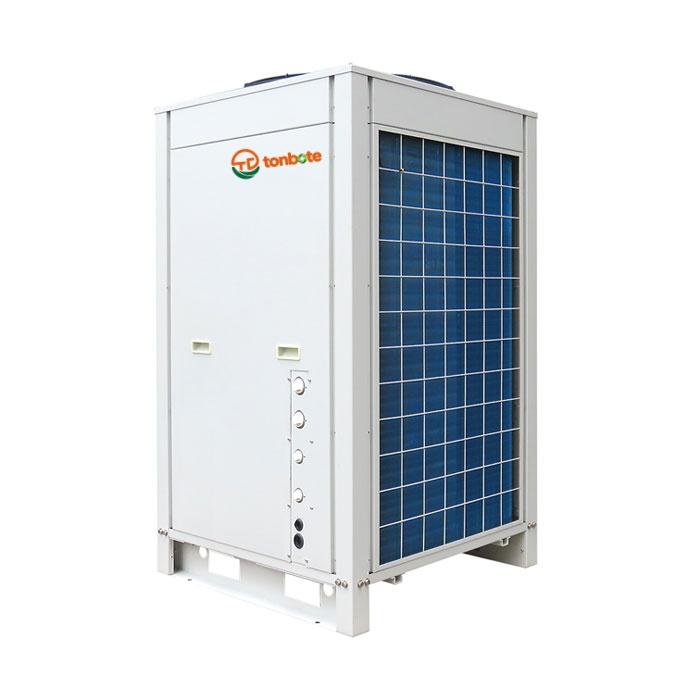
The quickest wins almost never come from replacing major equipment. They come from fixing what’s already running badly. A rooftop unit with a stuck damper, a pump that runs full speed against a closed valve, or a lighting circuit left on overnight—these are the silent drains that make energy bills look worse than they are. Retrofitting those systems with basic controls, occupancy sensors, and proper scheduling often pays back in weeks, not years.
Where budgets are tight, focus on three categories: lighting, motors, and airflow. Swapping fluorescent tubes for LEDs with dimming capability removes both wattage and heat load. Adding variable frequency drives to fans and pumps lets them match output to actual demand instead of running flat out. And sealing duct leaks—often overlooked because it’s invisible—can stop conditioned air from leaking into crawl spaces or drop ceilings. Each of these is a same-day or single-weekend job for a competent contractor.
The trap is assuming small retrofits don’t matter. A building with ten neglected air handlers will leak far more than one old chiller ever wastes. Before spending on expensive replacements, log your baseline energy use for two weeks, then install the low-cost fixes and compare. The difference usually shows up on the next utility bill, and that’s feedback no spreadsheet can argue with.
Upgrade the Controls, Not the Whole System
Many facilities assume that a sluggish or unreliable process line means they need to rip out the entire setup. That’s rarely the case. Swapping in modern controls—PLCs, HMIs, variable frequency drives, and updated sensors—can restore precision and speed without touching the conveyors, tanks, or structural framework that still have years of life left.
The savings go beyond the upfront equipment cost. Keeping the existing mechanical footprint avoids weeks of tearing down and rebuilding, which translates directly into less downtime and fewer scheduling headaches. Retrofitting controls also tends to be a phased job: you can upgrade one machine or one cell at a time, keeping production running while the work happens.
From a maintenance standpoint, newer controls often bring built-in diagnostics and remote access, which means your team spends less time guessing and more time fixing the actual fault. The old iron might be fine—it just needs a smarter set of eyes and hands driving it.
Comfort Is More Than a Thermostat Setting
Comfort isn't simply a number on a dial or a preset temperature reached behind closed doors. It's the way a room holds you after a long day—the gentle warmth that wraps around your shoulders without asking, the soft hush of air that moves like a slow breath rather than a mechanical gust. Real comfort shows up in the little failures of everyday life: a window seat that catches the last sun in winter, a blanket thrown over a chair because someone might sit there and feel the cool, the silence of a well-insulated wall that lets rain become a rumor instead of a roar. It lives in the spaces between control and surrender, where the environment finally stops feeling like an environment and starts feeling like a place that knows you.
Think about the difference between a hotel room set to a perfect 72 degrees and your grandmother's kitchen on a November morning. Both might register the same on a thermometer, but only one encourages you to linger, to breathe deeper, to let your guard down. That's because comfort is layered: it's the scent of something familiar, the way light lands on a worn floorboard, the absence of harsh edges and the presence of small imperfections that prove someone has lived here, loved here, argued here, and stayed. A thermostat can make air warm, but it can't make a house feel like it's listening. It can't replicate the way a room adjusts to the weight of your mood or the gentle give of a couch that has memorized the shape of every person who ever fell asleep on it.
So when we chase comfort, we're not really asking for better climate control. We're asking for a kind of holding—an unspoken agreement between us and our surroundings that says: you don't have to perform here. You can be tired. You can be messy. You can sit still without a reason. The best comfort is almost invisible; it doesn't announce itself with a beep or a blinking display. It simply removes the friction between being and staying, until the room becomes less of a container and more of a companion. That's why a house with perfect airflow and a smart thermostat can still feel cold, while a cramped studio with a radiator that clanks can be the warmest place you know.
Why the Payback on HVAC Retrofits Keeps Improving
Not long ago, a typical HVAC retrofit carried a payback period that made many building owners hesitate. Equipment costs were high, energy savings were modest, and the math often didn't work without substantial subsidies. That picture has shifted dramatically in recent years. Modern retrofits now routinely deliver paybacks under five years—and in some markets, under three—thanks to a convergence of factors that compound each other.
One of the biggest drivers is the leap in equipment efficiency. Variable-speed compressors, advanced heat exchangers, and smarter controls squeeze far more useful heating or cooling out of every kilowatt-hour. At the same time, utility rates in many regions have risen faster than inflation, making each percentage point of energy reduction worth more in dollar terms. When you pair that with utility rebates and local efficiency incentives, the upfront cost difference between a like-for-like replacement and a high-performance retrofit narrows considerably.
There's also a less obvious factor: maintenance and reliability. Older systems often limp along with frequent repairs and unpredictable downtime. A well-executed retrofit reduces those hidden operating costs, so the financial benefit extends beyond the utility bill. As building codes tighten and tenants demand lower operating expenses, the case for retrofit has moved from a long-term sustainability play to a near-term financial win. That's why the payback keeps improving—and why waiting often costs more than acting now.
A Retrofit Timeline That Won't Shut Down Your Building
Most retrofit plans fail before they start because they treat the building as a construction site. A workable timeline keeps every floor, every tenant, and every system running while upgrades happen in the background. This means staging work in small zones, swapping out equipment during off-hours, and scheduling high-noise tasks when occupancy is lowest.
The trick is to sequence the job around what the building already does well. Start with non-critical systems that don't share walls with occupied spaces, then move into mechanical rooms after temporary bypasses are proven. Include buffer days for inspections and material lead times so a single delayed valve doesn't force a shutdown notice.
Contractors often push for a full-isolation timeline because it's simpler for them. Push back. A retrofit that respects occupied hours, keeps fire and life safety systems online, and uses modular tie-ins will cost a little more up front, but you avoid lost rent, tenant complaints, and emergency shutdowns later.
FAQ
When energy bills keep climbing despite regular maintenance, or some zones feel stuffy while others are freezing, that's usually a sign the system is struggling to keep up. Frequent breakdowns, outdated refrigerants, and difficulty finding replacement parts also point toward a retrofit making more sense than sinking money into patch fixes.
It varies, but many buildings see a 20-40% drop in HVAC energy use after upgrading to high-efficiency equipment, adding variable frequency drives, and fixing duct leakage. The exact savings depend on the current system's age and how well the building envelope performs, but the reduction is often noticeable on the first utility bill.
Installing smart thermostats or zone controls, adding demand-controlled ventilation, sealing and insulating ducts, and upgrading to variable-speed fans can make a big difference. These measures help balance airflow and temperature, so you're not constantly adjusting the thermostat or hearing complaints about hot and cold spots.
Yes, compact high-efficiency heat pumps, ductless mini-split systems, or replacing just the chiller and boiler with modular units can fit into tight mechanical rooms. Sometimes the best approach is to reuse existing ductwork and focus on controls and air distribution rather than trying to squeeze in larger equipment.
Start with an energy audit or a detailed assessment of your current system's performance. Look for the biggest energy drains and comfort complaints, then tackle low-cost, high-impact items like sealing ducts, calibrating controls, and upgrading fans before moving to major equipment replacements.
They act as the brain of the upgraded system. By integrating sensors, scheduling, and real-time monitoring, automation can adjust heating and cooling based on occupancy and weather, cutting waste without sacrificing comfort. Many retrofit projects find that better controls deliver savings even before major hardware is replaced.
Absolutely. Upgrading filtration to MERV-13 or higher, adding energy recovery ventilators, and improving humidity control can reduce allergens, pollutants, and mold risk while making the space feel fresher. It's a two-for-one benefit that often gets overlooked when the focus is only on temperature.
Most projects fall between three and seven years, depending on local energy prices, equipment choices, and available incentives. Measures like fan upgrades or controls can pay back faster, while full chiller replacement might take longer. It's best to bundle measures so the savings from quick wins help offset bigger capital costs.
Conclusion
Many buildings run HVAC equipment far beyond its optimal point, with compressors cycling too often and fans pushing air through dirty coils. A retrofit often starts by looking at what the system already has: swapping out fixed-speed drives for variable frequency drives, sealing leaky ductwork, and adding energy recovery ventilators can cut energy waste without replacing the chiller or boiler. In most cases, the best first move is to upgrade controls—installing smart sensors and building automation logic that trim runtime based on occupancy and outdoor conditions. This approach delivers immediate efficiency gains while leaving the existing infrastructure in place, which keeps capital costs low and avoids months of disruption.
Comfort, though, is not just about a setpoint on the wall. Retrofits that address humidity, air distribution, and zoning often do more for occupant satisfaction than a new thermostat. The financial case has also shifted: utility incentives, rising energy prices, and lower-cost wireless controls mean payback periods now frequently land under three years, and some demand-based ventilation retrofits pay for themselves in under two. Perhaps most importantly, a well-planned retrofit doesn't require shutting down the building. Phased commissioning, night and weekend work, and temporary portable cooling allow offices, hospitals, and schools to keep operating while the upgrades roll through floor by floor.
Contact Us
Contact Person: Wanshu Chen
Email: [email protected]
Tel/WhatsApp: +86-13662871206
Website: https://www.mbcee.com