

Can a Cold Hot Water Booster Pump Work for Both Shower Pressure and Whole House Supply
2026-03-25
When homeowners experience weak water flow from their showerheads or inconsistent pressure throughout the house, the most common question is whether a single Cold Hot Water Booster Pump can effectively serve both purposes. The short answer is yes—but only when the system is correctly sized, properly installed, and designed to handle simultaneous demands. At SINYOA, we specialize in residential and light commercial water pressure solutions that deliver consistent performance across all fixtures.
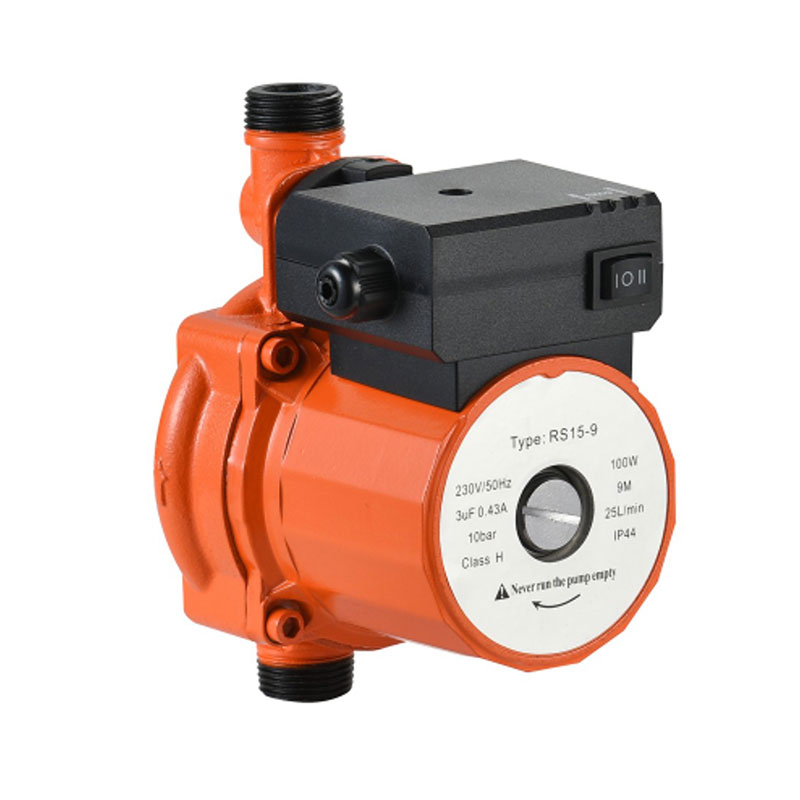
Understanding the Dual-Function Capability
A Cold Hot Water Booster Pump is engineered to increase water pressure for both cold and hot water lines, typically installed at the main water entry point or after the water heater. Unlike single-point pumps that only boost a single fixture, a whole-house configuration allows the unit to respond to pressure drops anywhere in the plumbing system—including the shower, kitchen faucets, and even outdoor spigots.
However, not all booster pumps are created equal. The distinction lies in flow rate, pressure switch sensitivity, and whether the pump supports variable speed technology to adjust to fluctuating demand.
Key Considerations for Shower vs. Whole House Application
| Factor | Shower-Only Application | Whole House Application |
|---|---|---|
| Flow Rate Requirement | 5–12 L/min typically sufficient | 20–50 L/min depending on number of fixtures |
| Pressure Switch Type | Simple pressure switch | Advanced flow switch or variable frequency drive |
| Installation Location | Near shower or water heater | Main water line entry point |
| Compatibility with Tankless Heaters | Limited without bypass | Requires compatible unit like SINYOA series |
| Simultaneous Usage Handling | Low tolerance for multiple fixtures | Designed for multi-fixture demand |
Performance Factors That Determine Suitability
To ensure a Cold Hot Water Booster Pump works effectively for both shower pressure and whole house supply, three critical elements must be evaluated:
-
Flow Rate Matching
A pump rated for 30–50 L/min can comfortably handle a shower (8–10 L/min) while also supporting a kitchen faucet or washing machine running simultaneously. Undersized units will cause pressure drops during overlapping usage. -
Pressure Sensor Type
Whole house systems require a pump with a flow-activated pressure sensor or a variable speed controller. Traditional mechanical pressure switches often lead to short-cycling when only low-flow fixtures like a shower are used. -
Material Durability
Units handling both hot and cold water must feature corrosion-resistant components such as stainless steel impellers and high-temperature seals. SINYOA pumps are engineered with multi-stage stainless steel construction to withstand continuous thermal cycling and mineral buildup.
Cold Hot Water Booster Pump FAQ
What is the ideal flow rate for a whole house Cold Hot Water Booster Pump if I want consistent shower pressure as well
The ideal flow rate depends on the number of bathrooms and fixtures in your home. For a standard 2- to 3-bedroom home with two bathrooms, a pump delivering 30 to 45 liters per minute at 3 to 4 bar pressure is typically sufficient. This range ensures that when a shower is running, additional demands from a toilet flush, dishwasher, or second shower will not cause a noticeable pressure drop. For larger homes with four or more bathrooms, SINYOA recommends a unit with at least 50 L/min capacity and variable speed control to automatically adjust motor speed based on real-time water demand.
Can a Cold Hot Water Booster Pump be installed on both the cold water main and the hot water outlet simultaneously
Yes, most whole house booster pumps are installed on the main cold water line before it branches to the water heater and cold water fixtures. This single-pump configuration boosts pressure for both cold and hot water systems because the hot water line is fed from the same pressurized main. However, if your water heater has a high pressure drop or if you have a tankless water heater with strict flow activation requirements, a dual-pump setup may be necessary. SINYOA offers integrated bypass systems that ensure tankless heaters receive adequate flow without compromising shower pressure.
How do I prevent short-cycling when using a Cold Hot Water Booster Pump for a low-flow shower
Short-cycling occurs when a pump turns on and off rapidly because the flow rate from the shower alone falls below the pump’s activation threshold. To prevent this, select a pump equipped with a flow switch that activates at 2 to 3 liters per minute rather than a traditional pressure switch. Alternatively, variable speed pumps maintain stable pressure by running continuously at low RPM during low-demand periods. SINYOA’s inverter series pumps are specifically designed to handle low-flow applications like modern rain showers while delivering full capacity for whole house use.
Why Professional Sizing and Installation Matter
Installing a Cold Hot Water Booster Pump without proper sizing often leads to premature wear, excessive noise, and inadequate pressure during peak usage. A system that works well for a single shower may fail when multiple fixtures are used simultaneously. SINYOA provides pre-configured whole house solutions with integrated pressure tanks, bypass valves, and thermal protection to ensure seamless operation across all water outlets.
Contact Us
Selecting the right Cold Hot Water Booster Pump for both shower pressure and whole house supply requires accurate flow assessment and system matching. If you are experiencing inconsistent water pressure or need expert guidance on sizing and installation, SINYOA is ready to assist. Contact our technical support team today for a customized recommendation tailored to your home’s specific plumbing configuration.