

How Can a Grain Sterilization Tank Improve Food Safety and Storage Efficiency?
2026-01-28
Article Summary
This article explains the role of a Grain Sterilization Tank in modern grain processing and storage, focusing on food safety, contamination control, operational concerns, and practical guidance for industrial use. It describes core mechanisms, equipment features, operational considerations, and responds to common questions about grain sterilization. The goal is to help readers understand why sterilization is critical for maximizing grain quality, extending shelf life, and reducing contamination risks across food and feed production lines.
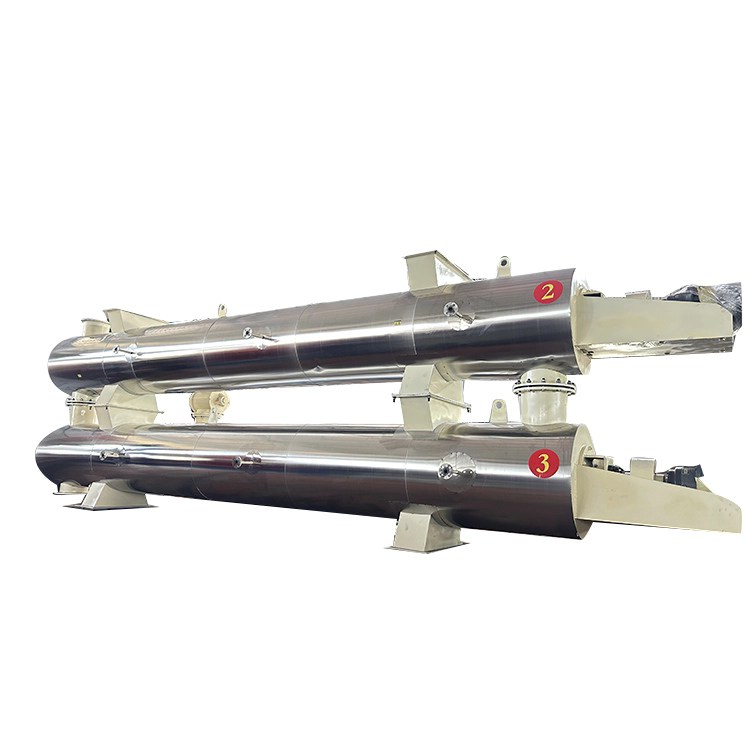
Table of Contents
- Introduction to Grain Sterilization Tanks
- How Grain Sterilization Tanks Operate
- Key Features and Design Considerations
- Benefits for Industrial Grain Processing
- Implementation and Best Practices
- Frequently Asked Questions
- Conclusion & Contact Information
Introduction to Grain Sterilization Tanks
A Grain Sterilization Tank is an engineered vessel used in food processing and grain storage systems to inactivate or eliminate harmful microorganisms such as bacteria, fungi, and insects that contaminate raw grains. Sterilization reduces post-harvest loss, helps maintain consistent product quality, and supports food safety requirements in processing plants and storage facilities. Contamination in stored grain, including fungi or pests, can lower product value and pose health risks when the grains are used for food or feed applications. Therefore, reliable sterilization is a critical step in modern grain handling operations.
How Grain Sterilization Tanks Operate
Grain Sterilization Tanks typically apply controlled thermal, steam, or other sterilization methods to grain loads. Many industrial systems use steam or heated airflow within a closed tank to raise the internal temperature to levels that deactivate microbes and insect eggs. These systems ensure uniform exposure and effective sterilization without compromising grain integrity. Unlike simple drying or fumigation, industrial sterilization targets microorganisms directly and creates a safer starting material for further processing or long-term storage.
Key Features and Design Considerations
A well-designed Grain Sterilization Tank incorporates several essential elements that support reliable operation and efficient performance. Common design considerations include:
- Material Construction: Tanks are often made from food-grade stainless steel to resist corrosion and enable thorough cleaning.
- Temperature Control: Precise heating systems ensure that all grain zones reach target sterilization temperatures.
- Sealing and Insulation: Effective seals and insulation minimize heat loss and prevent recontamination during and after processing.
- Capacity Options: Tanks are available in varying capacities to match throughput requirements of different facilities.
- Safety Features: Pressure and temperature monitoring systems protect operators and ensure compliance with internal safety standards.
Benefits for Industrial Grain Processing
Using a Grain Sterilization Tank in industrial settings delivers multiple advantages that align with food safety and operational goals. These include:
| Aspect | Impact |
|---|---|
| Microbial Load Reduction | Reduces bacterial, fungal, and insect contamination, lowering spoilage and health risks. |
| Shelf Life Extension | Molds and pests are controlled early, extending usable storage time. |
| Product Quality | Sterilized grain maintains nutritional content and appearance better than untreated material. |
| Regulatory Compliance | Supports adherence to food safety standards and processing guidelines. |
| Efficient Operations | Automated systems save labor and standardize processing cycles. |
These performance outcomes help processing plants optimize storage conditions and reduce waste associated with contaminated grain stocks.
Implementation and Best Practices
To ensure effective sterilization, operators should incorporate best practices throughout the grain handling workflow. Key recommendations include:
- Pre-Screening: Remove foreign material and broken kernels before sterilization to improve heat transfer efficiency.
- Moisture Management: Adjust grain moisture to appropriate levels before sterilization to achieve reliable microbial control.
- Monitoring: Use temperature and time control systems to verify that all grain zones reach sterilization parameters consistently.
- Cleaning Protocols: Regularly clean tanks and associated ductwork to prevent buildup of residues that compromise performance.
By aligning equipment capabilities with operational protocols, facilities can maximize both safety and throughput.
Frequently Asked Questions
Q: Why is sterilization necessary for grain processing?
A: Sterilization targets the reduction of microorganisms and pests that can cause spoilage and contamination in storage and processing lines. By reducing microbial loads early in the workflow, downstream quality and safety are improved.
Q: How does a Grain Sterilization Tank differ from simple drying?
A: Drying reduces moisture content but does not reliably inactivate microbial contaminants. A sterilization system applies controlled heat or steam over time to disrupt cellular integrity, ensuring pathogen inactivation rather than just moisture removal.
Q: Can sterilization affect the nutritional quality of grain?
A: Properly designed sterilization tanks balance temperature and exposure time to minimize nutrient loss while ensuring microbial control. This provides a safer product without significant nutritional degradation compared with poorly controlled heat treatments.
Q: How does automation influence sterilization performance?
A: Automated systems maintain consistent thermal profiles and reduce manual intervention, resulting in repeatable cycles that meet processing standards. Monitoring and control systems also help detect deviations and maintain safety margins.
Conclusion & Contact Information
Grain Sterilization Tanks play a vital role in modern grain processing by addressing contamination risk, improving storage performance, and supporting regulatory expectations for food safety. From robust design elements to operational best practices, these systems help processing facilities enhance product quality and protect supply chain integrity.
For tailored solutions, equipment specifications, or project consultations related to Grain Sterilization Tanks, contact Shandong Chengming for expert guidance and reliable equipment options. Discover how optimized sterilization strategies can improve your production outcomes and operational efficiency.