

How Can a Hot Water Heat Pump Reduce Energy Costs and Improve Efficiency?
2026-03-24
Article Summary
A hot water heat pump is an advanced energy-saving solution designed to provide efficient and sustainable hot water for residential, commercial, and industrial applications. By extracting heat from the surrounding air, it significantly reduces electricity consumption compared to traditional systems. This article explains how hot water heat pumps work, their key advantages, technical parameters, selection criteria, and installation considerations, helping users make informed decisions while addressing common concerns such as cost, efficiency, and reliability.
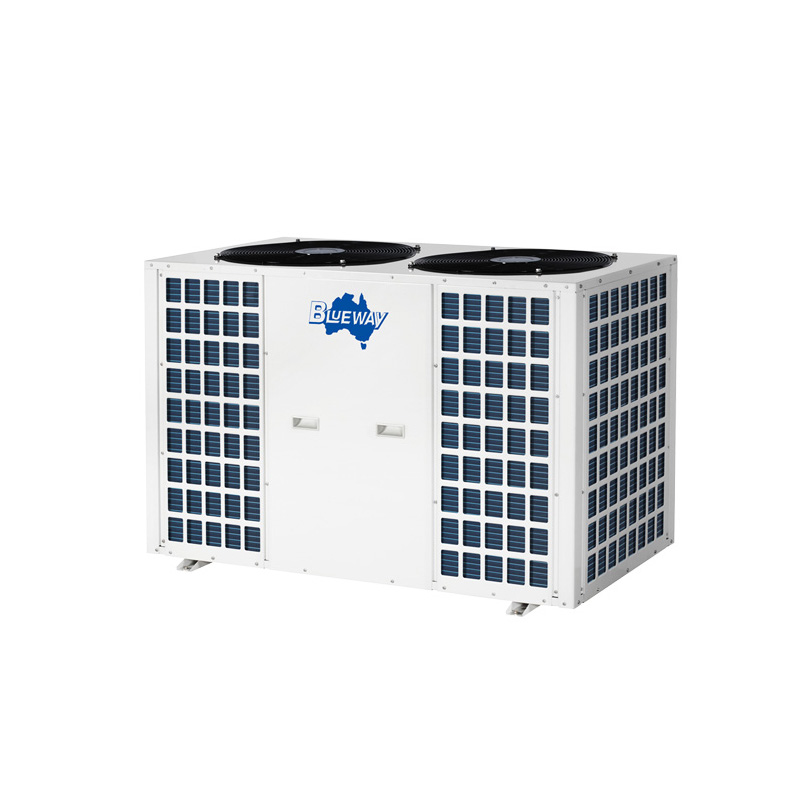
Table of Contents
- 1. What Is a Hot Water Heat Pump?
- 2. How Does a Hot Water Heat Pump Work?
- 3. Key Benefits for Users
- 4. Technical Parameters Overview
- 5. Common Application Scenarios
- 6. How to Choose the Right System
- 7. Installation and Maintenance Tips
- 8. Frequently Asked Questions
- 9. Conclusion
1. What Is a Hot Water Heat Pump?
A hot water heat pump is a system that uses electricity to transfer heat from the air into water rather than generating heat directly. This process makes it far more energy-efficient than conventional electric or gas water heaters.
Unlike traditional heating methods, which rely on resistance heating or combustion, a heat pump leverages ambient thermal energy. This allows users to produce hot water with significantly lower energy input, making it an ideal solution for energy-conscious environments.
2. How Does a Hot Water Heat Pump Work?
The operation of a hot water heat pump is based on a refrigeration cycle. It captures heat from the surrounding air and transfers it to the water tank through a heat exchanger.
- Evaporator absorbs heat from ambient air
- Compressor increases the temperature of the refrigerant
- Condenser transfers heat to the water
- Expansion valve regulates refrigerant flow
This cycle repeats continuously, ensuring a stable supply of hot water while maintaining high efficiency levels.
3. Key Benefits for Users
Customers often face challenges such as high energy bills, unstable heating performance, and environmental concerns. A hot water heat pump directly addresses these issues.
- Energy Savings: Reduces electricity consumption by up to 70%
- Environmental Protection: Lower carbon emissions compared to traditional systems
- Stable Performance: Consistent hot water supply
- Long Lifespan: Durable components ensure extended service life
- Safety: No direct combustion or gas leakage risks
These advantages make it a preferred choice for both residential and commercial users seeking long-term value.
4. Technical Parameters Overview
| Parameter | Description |
| Heating Capacity | Typically ranges from 2 kW to 30 kW |
| Coefficient of Performance (COP) | Usually between 3.0 and 5.0 |
| Water Temperature | Up to 60°C or higher |
| Power Supply | Single-phase or three-phase options |
| Operating Temperature | -10°C to 45°C ambient range |
| Refrigerant | Eco-friendly refrigerants such as R134a or R410A |
| Control System | Digital controller with smart functions |
Solutions provided by Blueway are engineered to deliver reliable performance under diverse environmental conditions, ensuring optimal efficiency and durability.
5. Common Application Scenarios
Hot water heat pumps are widely used across multiple sectors due to their flexibility and efficiency.
- Residential homes and apartments
- Hotels and resorts
- Hospitals and healthcare facilities
- Factories and industrial plants
- Swimming pools and spas
Their scalability allows them to meet both small-scale and large-scale hot water demands effectively.
6. How to Choose the Right System
Selecting the right hot water heat pump involves evaluating several critical factors.
- Capacity Requirements: Match system output with daily water usage
- Climate Conditions: Ensure compatibility with local temperature ranges
- Installation Space: Consider available space for equipment placement
- Energy Efficiency: Look for higher COP values
- Brand Reliability: Choose manufacturers with proven expertise
A well-chosen system ensures long-term operational efficiency and minimizes maintenance costs.
7. Installation and Maintenance Tips
Proper installation and routine maintenance are essential for maximizing system performance.
- Install in well-ventilated areas for optimal airflow
- Ensure proper insulation of water pipes
- Regularly clean filters and heat exchangers
- Check refrigerant levels periodically
Following these practices helps maintain efficiency and extend equipment lifespan.
8. Frequently Asked Questions
Q1: Is a hot water heat pump suitable for cold climates?
Yes, modern systems are designed to operate efficiently even in low temperatures, although performance may vary depending on the model.
Q2: How much can I save on energy bills?
Users typically experience energy savings of 50% to 70%, depending on usage patterns and system efficiency.
Q3: Does the system require frequent maintenance?
Maintenance requirements are relatively low, but regular inspections ensure optimal performance and longevity.
Q4: How long does a hot water heat pump last?
With proper maintenance, most systems have a lifespan of 10 to 15 years or more.
9. Conclusion
A hot water heat pump is a forward-looking solution for efficient and sustainable hot water production. By leveraging ambient heat, it reduces energy consumption, lowers operational costs, and supports environmentally responsible practices.
Blueway offers advanced hot water heat pump systems designed to meet diverse application needs with high efficiency and reliable performance.
If you are seeking a cost-effective and energy-efficient hot water solution tailored to your requirements, contact us today to explore professional products and customized support that can elevate your system performance.