

How Can a Swimming Pool Heat Pump Enhance Your Pool Experience?
2026-03-30
Summary: Swimming pool owners often struggle with high energy costs and inconsistent water temperatures. A swimming pool heat pump offers an efficient, eco-friendly solution, extending your swimming season and providing comfortable water temperatures year-round. This guide explores how these systems work, their benefits, installation tips, and maintenance practices.
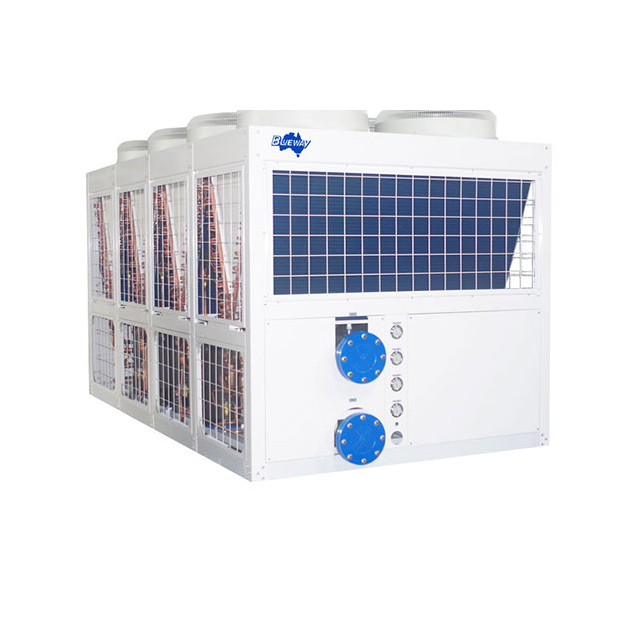
Table of Contents
- How a Swimming Pool Heat Pump Works
- Benefits of Using a Swimming Pool Heat Pump
- Tips for Selecting the Right Heat Pump
- Installation and Setup Considerations
- Maintenance Tips for Longevity
- Frequently Asked Questions
How a Swimming Pool Heat Pump Works
A swimming pool heat pump operates by extracting heat from the air and transferring it to your pool water. Unlike traditional electric or gas heaters, it uses ambient air as a heat source, making it highly energy-efficient.
- Air Intake: The heat pump draws warm air through a fan.
- Heat Transfer: Refrigerant absorbs the heat from the air.
- Water Heating: Heat is transferred to the pool water through a heat exchanger.
- Thermostat Control: Maintains the desired water temperature efficiently.
Benefits of Using a Swimming Pool Heat Pump
| Benefit | Explanation |
|---|---|
| Energy Efficiency | Uses 1 unit of electricity to generate 5 units of heat, reducing operating costs. |
| Extended Swimming Season | Maintains comfortable temperatures even in cooler months. |
| Eco-Friendly | Lower carbon footprint compared to gas heaters. |
| Durability | Long lifespan with minimal mechanical wear. |
Tips for Selecting the Right Heat Pump
- Calculate your pool size and water volume to determine the required heating capacity.
- Check the local climate to ensure efficient operation year-round.
- Choose a model with a high Coefficient of Performance (COP) for maximum efficiency.
- Consider noise levels and placement to avoid disturbance.
- Verify warranty and support services for peace of mind.
Installation and Setup Considerations
Proper installation ensures optimal performance:
- Install the heat pump near the pool for minimal pipe loss.
- Ensure a stable, level base to reduce vibration and noise.
- Maintain adequate airflow around the unit.
- Connect to the pool’s filtration system with compatible valves and piping.
- Test operation and calibrate the thermostat after installation.
Maintenance Tips for Longevity
- Clean the air filter monthly to maintain airflow efficiency.
- Inspect the heat exchanger for scaling or debris.
- Check refrigerant levels annually and refill if necessary.
- Winterize your heat pump if temperatures drop below freezing.
- Schedule professional inspections for optimal performance.
Frequently Asked Questions
- How long does it take to heat a pool?
- Depending on size and ambient temperature, it typically takes 12–24 hours to reach the desired temperature.
- Can a heat pump work in cold climates?
- Yes, modern models can operate efficiently in temperatures as low as 40°F (4°C).
- Are swimming pool heat pumps expensive to operate?
- No, they are highly energy-efficient and cost significantly less than gas heaters over time.
- How often should I perform maintenance?
- Basic cleaning should be monthly, while professional servicing is recommended annually.
Blueway offers high-quality, reliable swimming pool heat pumps designed to provide comfort, energy savings, and durability. Upgrade your pool experience today and enjoy warm water year-round. Contact us to find the perfect solution for your pool.