

Article Summary: Handling abrasive slurry is one of the biggest challenges in mining, mineral processing, dredging, and industrial applications. Equipment failures, excessive wear, unexpected downtime, and high maintenance costs often result from choosing unsuitable pumping solutions. This guide explains how an NG NGH Horizontal Slurry Pump helps solve common slurry transportation problems through robust design, wear resistance, efficient operation, and easier maintenance. It also covers application considerations, selection methods, installation practices, and frequently asked questions to help engineers and buyers make informed decisions.
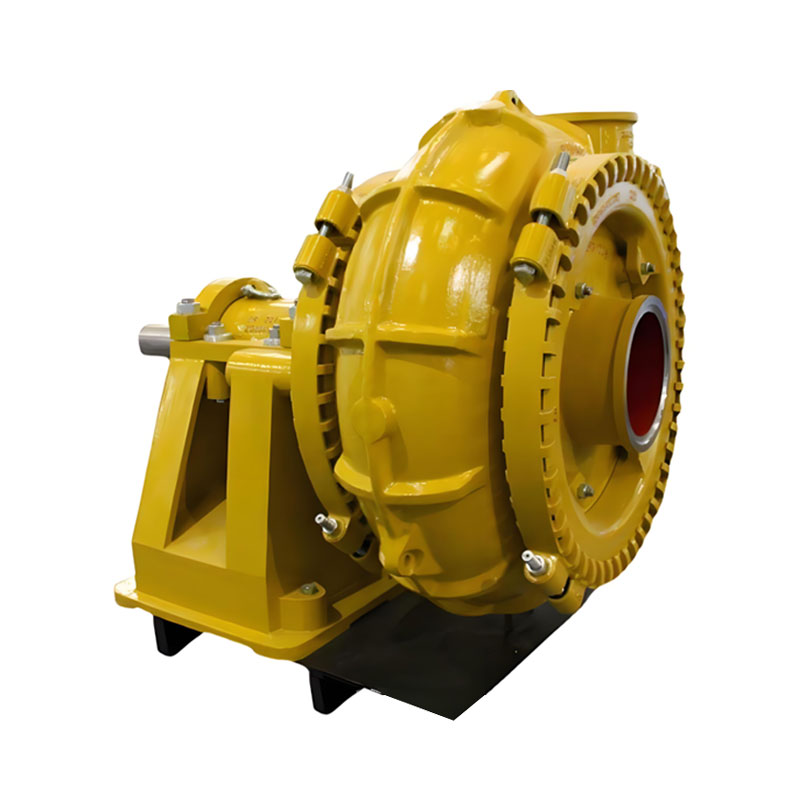
Understanding NG NGH Horizontal Slurry Pump Technology
Slurry transportation is significantly more demanding than standard liquid pumping. Unlike clean water, slurry contains solid particles that can create severe abrasion, impact damage, and efficiency losses. Industries that handle minerals, sand, coal, chemicals, or waste materials require pumps specifically designed to withstand harsh operating conditions.
The NG NGH Horizontal Slurry Pump is engineered for heavy-duty slurry handling applications where reliability and long service life are essential. Its horizontal structure allows convenient installation and maintenance while supporting stable performance in demanding environments.
Furkey provides slurry pumping solutions designed to meet different industrial requirements. Selecting the correct pump model depends on factors such as slurry concentration, particle size, flow rate, head requirements, and operating environment.
Why Slurry Pumping Creates Difficult Engineering Problems
Many companies experience repeated failures because conventional pumps are not designed for abrasive materials. Understanding these challenges is the first step toward improving system reliability.
| Common Problem | Impact on Operation | How Proper Slurry Pump Design Helps |
|---|---|---|
| Abrasive solid particles | Rapid wear of internal components | Wear-resistant materials and reinforced construction extend service life |
| High slurry concentration | Reduced efficiency and increased energy consumption | Optimized hydraulic design improves transportation performance |
| Frequent maintenance | Production interruptions and higher labor costs | Easy-access components simplify inspection and replacement |
| Unstable operating conditions | Performance fluctuations and equipment stress | Heavy-duty design supports demanding working environments |
Key Features of NG NGH Horizontal Slurry Pump
1. Strong Wear Resistance
The biggest concern in slurry applications is internal wear. Solid particles continuously impact and scrape pump components during operation. The NG NGH Horizontal Slurry Pump uses a durable structure designed to reduce damage caused by abrasive materials and support longer operating periods.
2. Reliable Hydraulic Performance
Efficient slurry transportation requires more than a powerful motor. Hydraulic design influences energy consumption, flow stability, and overall system performance. A properly selected slurry pump helps maintain consistent output while reducing unnecessary operating costs.
3. Easy Maintenance Structure
Downtime can significantly affect production schedules. Horizontal slurry pumps are designed with maintenance requirements in mind, allowing operators to inspect and replace important components more conveniently.
4. Adaptability for Different Slurry Conditions
Different industries handle different materials. Factors such as particle hardness, density, temperature, and chemical properties influence pump selection. The NG NGH series can be evaluated for various applications according to specific operating requirements.
Where Can NG NGH Horizontal Slurry Pumps Be Used?
Slurry pumps are widely used in industries where solid-liquid mixtures must be transported efficiently. Typical applications include:
- Mining and mineral processing plants
- Sand and gravel processing facilities
- Coal washing systems
- Dredging operations
- Power generation industries
- Chemical processing applications
- Waste treatment systems
Important consideration: The same pump model may perform differently depending on slurry characteristics. Always evaluate operating conditions before final selection.
How to Select the Right NG NGH Horizontal Slurry Pump
Choosing a slurry pump requires careful analysis. Purchasing only according to flow rate or motor power may result in poor performance and unnecessary expenses.
Consider Slurry Characteristics
The density, particle size, hardness, and concentration of slurry directly influence pump performance. Highly abrasive materials require stronger wear protection compared with lighter applications.
Evaluate Flow and Head Requirements
Flow rate determines how much material the system needs to transport, while head represents the pressure required to move the slurry through the pipeline. Both parameters must match the actual operating system.
Check Material Compatibility
Different slurry compositions may require different material choices. Corrosive chemicals, high temperatures, or aggressive particles should be considered before ordering.
Review Maintenance Requirements
A pump that is easy to maintain can reduce downtime and improve long-term operating efficiency. Consider accessibility of wear parts, inspection points, and replacement procedures.
Performance Factors to Evaluate Before Purchase
| Factor | Why It Matters |
|---|---|
| Wear resistance | Determines service life under abrasive conditions |
| Hydraulic efficiency | Affects energy consumption and operating cost |
| Structural strength | Supports stable operation under heavy loads |
| Maintenance convenience | Reduces downtime during repairs |
| Application suitability | Ensures compatibility with actual slurry conditions |
Installation and Maintenance Tips for Better Pump Performance
Before Installation
- Confirm pump specifications match system requirements.
- Check foundation stability and alignment.
- Inspect all components before operation.
- Ensure pipelines are properly supported.
During Operation
- Monitor vibration, noise, and temperature changes.
- Check for abnormal pressure fluctuations.
- Avoid operating outside recommended conditions.
- Maintain proper lubrication and inspection schedules.
Regular Maintenance
- Inspect wear components periodically.
- Replace damaged parts before major failure occurs.
- Keep operation records for performance evaluation.
- Follow manufacturer recommendations.
Frequently Asked Questions
Q1: What is an NG NGH Horizontal Slurry Pump?
It is a heavy-duty horizontal pump designed for transporting abrasive slurry mixtures containing solid particles. It is commonly used in industries requiring reliable material handling.
Q2: Why are slurry pumps different from normal water pumps?
Slurry pumps are specially designed to handle solid particles and abrasive materials. Standard water pumps usually cannot withstand continuous wear caused by slurry.
Q3: What factors affect slurry pump service life?
Particle hardness, slurry concentration, operating speed, material selection, installation quality, and maintenance frequency all influence service life.
Q4: How can I choose the correct slurry pump model?
You should evaluate flow rate, head, slurry characteristics, particle size, temperature, and working environment before selecting a suitable model.
Q5: Where can I get professional slurry pump support?
You can contact Furkey for technical assistance, product information, and solutions based on your specific pumping requirements.
Choose Reliable Slurry Pump Solutions from Furkey
Selecting the right NG NGH Horizontal Slurry Pump can help improve production efficiency, reduce unexpected downtime, and control long-term maintenance costs. A detailed understanding of your slurry conditions is essential for achieving stable and reliable performance.
Furkey focuses on providing dependable pumping solutions for challenging industrial environments. If you need assistance with pump selection, technical specifications, or application guidance, please feel free to contact us and discuss your project requirements with our professional team.