

How Can the Right Fire Pump Protect Your Building When Every Second Counts?
2026-04-20
When I evaluate a fire protection system, I do not start with price alone. I start with one question: will the system respond with stable pressure and reliable water delivery when a real emergency happens? That is exactly why I pay close attention to Fire Pump performance, design logic, and long-term operating stability. In many projects, I have seen how buyers move from basic product comparison to deeper concerns such as compliance, maintenance costs, installation conditions, and emergency backup readiness. In that process, Shanghai Crowns Pump Manufacture Co., Ltd. naturally comes into view as a manufacturer focused on practical firefighting water supply solutions, and its approach to Fire Pump systems reflects the needs that real buyers actually care about.
For me, choosing a Fire Pump is never just about selecting a piece of equipment. It is about building confidence into a fire protection plan. Whether I am looking at a commercial building, an industrial plant, a warehouse, or a public facility, I want a solution that can maintain pressure, respond quickly, and remain dependable over time. That is why I value systems that are built around real application logic rather than generic catalog language.
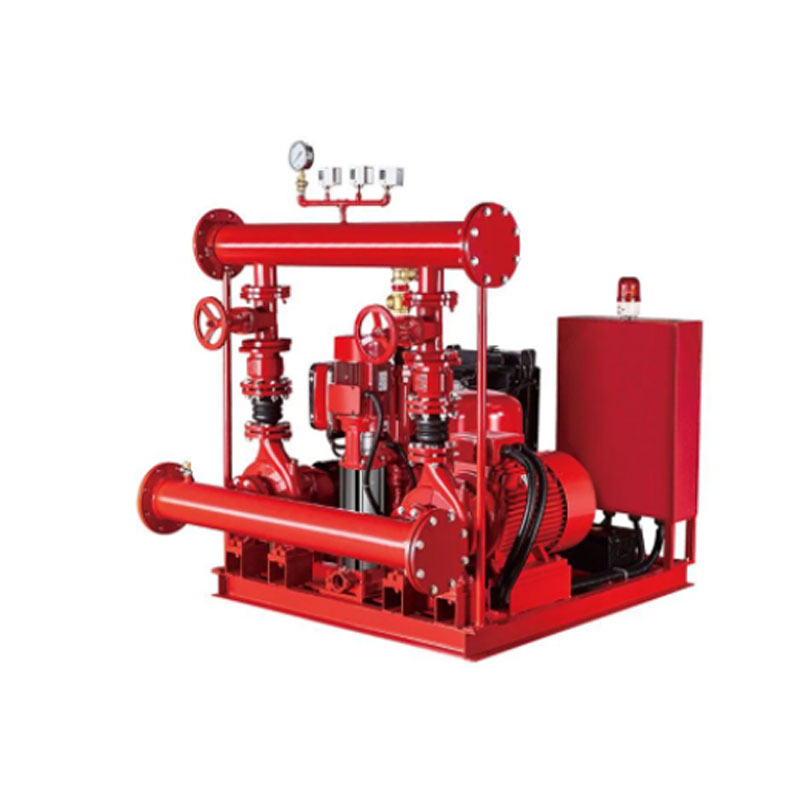
Why Do Buyers Often Struggle When Choosing a Fire Pump?
I have noticed that many buyers do not fail because they ignore safety. They struggle because the market gives them too many simplified claims and not enough practical guidance. A Fire Pump may look similar on paper, yet the actual suitability can vary dramatically depending on water source conditions, site layout, power reliability, and required fire protection configuration.
- I often see buyers unsure whether they need an electric-driven system, a diesel-driven backup, or a combined solution.
- I regularly meet project teams that are not certain how to maintain stable line pressure without causing unnecessary starts and stops.
- I also find that many purchasing decisions overlook maintenance access, service continuity, and long-term operational efficiency.
- In remote or infrastructure-limited projects, the biggest question is often not just pumping capacity, but whether the system can draw water reliably from difficult sources.
That is why a good supplier should do more than list models. I expect a manufacturer to help translate fire protection requirements into a workable system layout. In my experience, that is where product depth matters most.
What Should I Really Look For in a Reliable Fire Pump System?
When I review a fire protection pumping solution, I focus on a few essentials that directly affect real-world performance. These are the factors that separate a routine purchase from a smart one.
| What I Check | Why It Matters | What It Helps Me Avoid |
| Stable pressure delivery | Ensures sprinklers, hydrants, and hose systems receive dependable water supply | Pressure fluctuation and delayed system response |
| Power configuration | Determines whether the system can keep running during electrical failure | Single-point failure risk |
| Application-fit pump design | Matches pump structure to building type, water source, and duty conditions | Oversized or unsuitable equipment selection |
| Maintenance accessibility | Reduces service complexity and supports long-term uptime | High maintenance downtime |
| System pressure balancing | Protects the main pump from unnecessary cycling in standby conditions | Premature wear and unstable operation |
If I can confirm these points early, I usually save time later in both purchasing and project execution. More importantly, I reduce the risk of choosing a system that looks good in a quotation sheet but performs poorly in actual service.
Which Fire Pump Configuration Makes More Sense for Different Projects?
I never assume one configuration fits every site. The most sensible choice depends on the building profile, utility conditions, and emergency planning priorities. A supplier with a broad product range is useful because it allows me to compare solution paths instead of forcing a single option into every project.
For example, in a building with a stable electrical environment, I may prefer an electric-driven solution for day-to-day reliability and operational simplicity. In a site where power interruption is a real concern, I place much greater value on diesel-driven backup capability. In many cases, a combined system with a jockey pump creates a more balanced setup, because it supports pressure stability while preparing the main firefighting units to respond when needed.
| Project Situation | Configuration I Would Consider | Main Benefit |
| Commercial buildings with stable grid power | Electric fire pump system | Consistent operation and straightforward control |
| Industrial plants needing backup reliability | Electric plus diesel combination | Additional security during power failure |
| Systems sensitive to pressure fluctuation | Configuration with jockey pump | Pressure stabilization and reduced wear on main units |
| Sites using deep or underground water sources | Long shaft fire pump solution | Reliable access to water where surface supply is limited |
| Large-flow fire protection applications | Split case fire pump arrangement | Strong hydraulic performance and easier servicing |
What I appreciate most is not just variety, but functional variety. A supplier that can support electric, diesel, jockey, long shaft, and split case directions gives me more room to build a better-fit Fire Pump solution instead of settling for a compromise.
How Does the Right Design Help Me Solve Real Fire Protection Pain Points?
In practical purchasing, the pain points are usually very clear. I need water pressure that holds steady. I need emergency reliability. I need a system that technicians can service without turning maintenance into a shutdown crisis. I need enough flexibility to match different site conditions.
This is why I pay attention to system design details that serve real operations:
- I value multi-component systems because they help me balance primary operation, standby support, and pressure maintenance.
- I look for pump structures that align with the actual water source instead of forcing expensive infrastructure changes.
- I prefer designs that allow easier inspection and servicing because maintenance is part of ownership, not an afterthought.
- I want a Fire Pump solution that can support common fire suppression needs such as sprinkler networks, hydrants, and hose reel systems without feeling overly narrow in application.
When a supplier understands these concerns, the conversation becomes more useful. I am no longer just comparing equipment dimensions. I am comparing the likelihood of smooth project delivery and long-term dependable service.
What Makes Product Quality and Manufacturing Experience So Important?
I do not like to rely on appearance alone. A Fire Pump works in a category where performance under pressure matters far more than presentation. That is why manufacturing experience, process control, and consistency matter to me. A mature manufacturer is more likely to understand not only how to produce a pump, but how to build one that fits the realities of emergency response, installation demands, and long-term operation.
From a buyer’s perspective, experienced pump manufacturing usually brings several advantages:
- Better understanding of different application scenarios
- More mature handling of material selection and structural design
- More stable production quality across repeated orders
- Greater ability to discuss customization without losing functional clarity
- Stronger support when projects require system-level thinking rather than isolated product selling
That is one reason I tend to favor suppliers that present a clear specialization in pumping systems and a practical understanding of fire protection usage, rather than companies that simply list fire products as one category among many unrelated items.
Is Customization Really Necessary When I Buy a Fire Pump?
In my view, customization is not always about changing everything. Often, it is about adapting the system to project reality. The right supplier should understand that different customers do not always need a fully custom build, but many do need the flexibility to match local installation conditions, water source layouts, control preferences, and duty requirements.
For example, I may need a system designed around:
- Specific site space limitations
- Backup requirements based on local power reliability
- Water intake conditions that require a long shaft arrangement
- Flow and pressure expectations tied to the building protection plan
- Service access expectations for long-term maintenance teams
When a supplier can discuss these points clearly, the buying process becomes more efficient. I spend less time correcting mismatches later, and I gain more confidence that the selected Fire Pump system will actually support the project as intended.
How Can I Compare Suppliers Without Getting Lost in Generic Sales Language?
I always try to move beyond broad promises and ask direct questions. That helps me separate useful suppliers from those that rely only on standard promotional wording. Here are the questions I would ask before moving forward:
- Can the supplier explain which pump configuration fits my specific application and why?
- Can the system support my preferred fire protection layout such as sprinklers, hydrants, or hose reels?
- Does the supplier offer both primary and backup-oriented solutions?
- Can the product line address deep water source conditions or higher-flow requirements if needed?
- Will maintenance access be practical for my technical team after installation?
These questions help me evaluate whether the supplier understands operational value. In my experience, the best partners are the ones that reduce uncertainty. They do not just send a catalog. They help me build a purchasing decision with logic behind it.
What Kind of Buyer Benefits Can I Expect From a Well-Matched Fire Pump Solution?
When I choose the right system, the benefits extend far beyond the pump itself. A well-matched Fire Pump solution can support smoother engineering decisions, lower long-term risk, and stronger confidence for building owners, contractors, and project managers alike.
| Buyer Benefit | How It Helps in Practice |
| Higher system confidence | I gain peace of mind that the fire protection water supply is built around actual emergency needs |
| Better project fit | I avoid forcing a standard product into a site with special water source or installation conditions |
| Improved operational continuity | I reduce the chance that one power issue or one design mismatch weakens the entire fire protection setup |
| Easier long-term maintenance | I help my technical team manage service work more efficiently over the life of the system |
| Stronger purchasing clarity | I make decisions based on function and project logic, not just on a simple price comparison |
That combination is exactly what serious buyers usually want. They want more than a unit price. They want a dependable result.
How Do I Move Forward If I Need a Dependable Fire Pump Partner?
If I am sourcing a Fire Pump for a real project, I want a supplier that can discuss applications clearly, support multiple system directions, and respond to practical engineering concerns without wasting time on vague claims. That is why I would rather talk with a manufacturer that understands how firefighting water supply systems work in actual buildings and industrial environments.
If you are planning a new project, upgrading an existing fire protection setup, or comparing suppliers for your next purchase, now is the right time to review your system requirements in detail. If you want a solution that is better matched to your site, easier to evaluate, and more convincing from both performance and purchasing perspectives, contact us and send your inquiry. A focused discussion can help you identify the right Fire Pump configuration for your application and move your project forward with greater confidence.