

When I look at pool equipment from a buyer’s point of view, I do not only ask whether a pump can move water. I ask whether it can keep water clear, reduce daily maintenance pressure, run steadily in real working conditions, and make installation simple enough for long-term use. That is why I pay close attention to manufacturers such as TAIZHOU LEAD PUMP CO., LTD., a pump supplier with practical product experience in pool water circulation. For homeowners, pool contractors, distributors, and project buyers, choosing a reliable Swimming Pool Pump is often the difference between a clean, comfortable pool and a system that keeps causing noise, weak flow, leaks, or expensive service calls.
A pool may look simple from the outside, but the circulation system does quiet work every day. Water has to pass through the filter, debris needs to be collected, chemicals must spread evenly, and the whole system should operate without unnecessary vibration or energy waste. In my experience, many pool problems begin with an undersized, poorly matched, or low-quality pump. Once the pump struggles, every other part of the pool system starts to suffer.
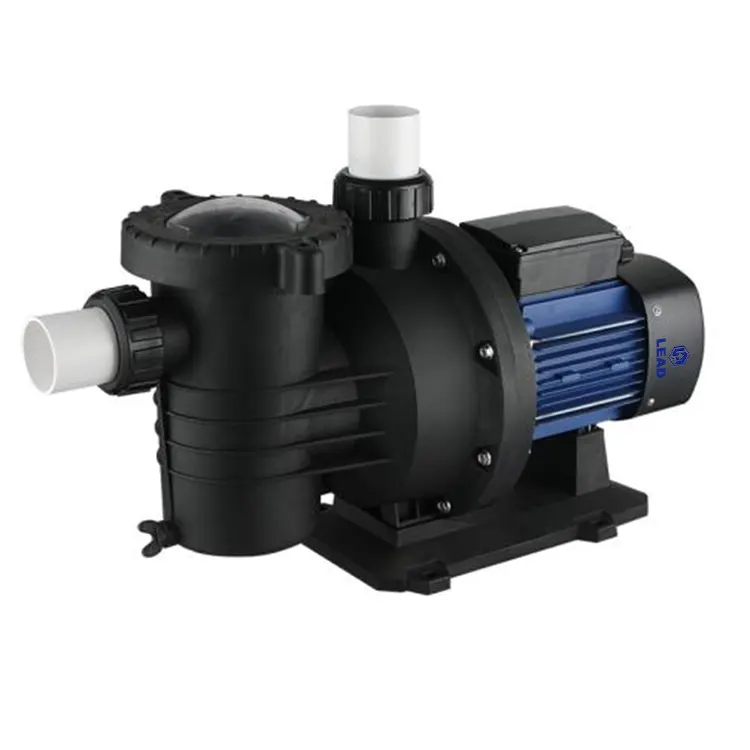
Why Does a Swimming Pool Pump Matter More Than Many Buyers Expect?
I often hear buyers focus first on pool size, filter type, or visible accessories. Those things matter, but the pump is the part that keeps the entire water system alive. A well-selected Swimming Pool Pump supports proper circulation, helps the filter capture impurities, and keeps water from becoming stagnant.
When the pump is not suitable, several problems usually appear quickly.
- The water looks cloudy even after chemical treatment.
- The filter does not work efficiently because water flow is unstable.
- The motor becomes noisy or overheats during long operation.
- Installation becomes difficult because the pump design is not user-friendly.
- Maintenance costs rise because small parts wear out too often.
For this reason, I see a pool pump as a long-term operating decision, not a small accessory purchase. A good pump should be easy to install, strong enough for daily circulation, and built with materials that can handle pool water conditions.
What Should I Check Before Choosing a Swimming Pool Pump?
Before I compare models, I usually start with the actual pool application. A pump should not be selected only by price or appearance. It should match the pool size, the expected working hours, the filter system, and the user’s maintenance habits.
These are the points I would check first.
- Pool volume so the pump can circulate water within a reasonable time.
- Required flow rate because weak circulation leads to poor filtration.
- Motor structure because stable operation depends heavily on motor quality.
- Pump head material because pool water can be demanding over time.
- Built-in filtration design because pre-filtration can reduce debris entering the system.
- Noise level because pool pumps often run near homes, hotels, villas, or leisure areas.
- Installation convenience because contractors and end users both want fewer complications.
In a practical buying process, I prefer a Swimming Pool Pump that combines stable water flow, a durable pump body, convenient filtration, and a motor housing designed for reliable use. These details may not sound dramatic, but they decide whether the pump performs well after weeks and months of continuous work.
Which Product Features Help Solve Common Pool Maintenance Problems?
Pool owners usually do not complain about technical terms. They complain that the water is not clear, the pump is too loud, the system is hard to clean, or the equipment feels unreliable. A strong product should answer those real complaints directly.
| Buyer Pain Point | Helpful Pump Feature | Practical Value |
|---|---|---|
| Cloudy or poorly circulated water | Stable flow design | Helps water move through the filtration system more consistently |
| Debris entering the system | Built-in filter basket or pre-filter structure | Helps collect larger particles before they affect the pump and filter |
| Noisy operation near living areas | Reliable motor housing and balanced structure | Supports smoother running and a more comfortable pool environment |
| Frequent service and replacement | Durable material combination | Improves long-term use and reduces avoidable maintenance pressure |
| Difficult setup for contractors | Installation-friendly design | Saves time during project installation and replacement work |
For distributors and project buyers, these features are not only technical advantages. They also reduce after-sales pressure. When end users receive equipment that is easier to operate and maintain, they are less likely to come back with complaints. That is one reason I always look beyond the surface specifications of a Swimming Pool Pump.
How Does Better Circulation Improve Pool Water Quality?
Water quality depends on movement. If water stays still in corners or passes through the filter too slowly, dirt, oils, leaves, and fine particles can remain in the pool. Chemicals also become less effective when they are not distributed evenly.
A suitable pump helps pool water circulate through the filtration system at a steady pace. This gives the filter more chances to remove impurities and allows sanitizing chemicals to spread across the pool. I would describe the pump as the heart of the pool system because it keeps every part working together.
When I choose a Swimming Pool Pump, I pay attention to whether the pump can maintain practical flow without forcing the motor to work under unnecessary stress. A pump that is too weak may run for long hours and still fail to clean the pool properly. A pump that is poorly matched may waste energy and cause extra wear. The best choice is usually the one that fits the real pool condition, not simply the biggest or cheapest option.
Why Is Quiet and Stable Operation Important for Modern Pools?
Modern pool users care about comfort. A pump may be installed beside a villa, hotel courtyard, resort area, spa pool, or family garden. In these places, loud equipment can ruin the experience even if the water looks clean.
I prefer pumps designed with stable motor support and a practical housing structure because smoother operation usually means fewer distractions during daily use. Quiet performance is especially important for residential pools and commercial leisure spaces where guests expect a relaxed environment.
Stability also matters because pool pumps often work for long periods. A pump that shakes, overheats, or produces irregular noise can become a service problem. Buyers may initially save money with a lower-grade option, but the long-term cost can become higher when repairs and replacements begin. A reliable Swimming Pool Pump should make pool operation feel simple, not turn it into another maintenance headache.
What Makes Installation and Maintenance Easier for Pool Contractors?
From a contractor’s perspective, installation time matters. A pump that is simple to connect, easy to inspect, and convenient to clean can save labor during both new pool projects and replacement jobs. I always consider whether the design allows users to access the filter area without unnecessary difficulty.
Good installation and maintenance features may include the following.
- A practical inlet and outlet layout for easier connection.
- A clear filter chamber that supports routine inspection.
- A compact structure that works in different equipment rooms.
- A motor housing designed for daily operating stability.
- A pump body that balances strength with convenient handling.
These points may seem simple, but they affect real job sites. Contractors do not want products that look acceptable in a catalog but cause trouble during installation. Pool owners do not want equipment that requires complicated cleaning every time debris builds up. A well-designed Swimming Pool Pump should respect both sides of the buying process.
How Can Distributors Benefit from Offering a Reliable Swimming Pool Pump?
For distributors, product reliability influences reputation. If a pump performs well, customers remember the supplier. If it fails too often, the distributor has to deal with complaints, returns, and service pressure. That is why I believe pump selection is also a business decision.
A reliable pool pump line can support distributors in several ways.
- It gives customers a practical solution for residential and commercial pool circulation.
- It helps build confidence with contractors who need stable products for repeat projects.
- It reduces the risk of after-sales problems caused by weak materials or poor structure.
- It makes product promotion easier because the value is connected to real customer needs.
- It supports long-term cooperation when quality and service remain consistent.
When I evaluate suppliers, I also look at whether the company has a focused product range and communication that supports international buyers. Buyers need clear product information, responsive inquiry handling, and reasonable guidance before placing orders. Product quality matters, but service attitude also affects the final decision.
Which Buyers Are Best Suited for This Type of Swimming Pool Pump?
A practical Swimming Pool Pump can serve different market needs, especially when the design focuses on circulation, filtration support, and easy use. I would consider it suitable for several buyer groups.
| Buyer Type | Main Concern | What They Usually Need |
|---|---|---|
| Home pool owners | Clean water and quiet operation | A dependable pump that is easy to maintain |
| Pool contractors | Installation speed and product consistency | A pump that fits common pool circulation systems |
| Hotel and resort projects | Guest comfort and stable daily use | Reliable circulation with reduced noise concerns |
| Distributors and wholesalers | Marketability and after-sales control | A product line with practical selling points |
| Maintenance service companies | Replacement convenience | A pump that can be installed and serviced efficiently |
Each buyer group has a different reason for caring about the pump, but the final goal is similar. They want clean water, stable running, and fewer problems after installation.
Why Should I Avoid Choosing a Pool Pump Only by Price?
Price matters, of course. I would never pretend buyers do not care about cost. But with pool equipment, the cheapest option is not always the most economical one. If a pump has weak circulation, creates noise, requires frequent cleaning, or fails too early, the buyer pays again through maintenance, labor, downtime, and customer dissatisfaction.
A more sensible approach is to compare total value.
- Does the pump match the pool size and filtration demand?
- Does the motor design support stable daily running?
- Is the structure convenient for routine cleaning?
- Are the materials suitable for pool water circulation?
- Can the supplier support communication before and after ordering?
When these questions are answered properly, the purchase becomes much safer. A dependable Swimming Pool Pump should help buyers control long-term operating costs instead of only lowering the first purchase price.
How Do I Know Whether a Swimming Pool Pump Supplier Is Worth Contacting?
I usually look for a supplier that understands product application, not just product listing. A good supplier should be able to explain how the pump works in pool circulation, what kind of buyers it serves, and why its structure is practical for daily use. Clear communication is especially important for international buyers who may need product details, quotation support, packaging information, or order guidance.
TAIZHOU LEAD PUMP CO., LTD. presents swimming pool pump products for pool water circulation applications, with attention to practical structure, filtration support, and ease of use. Instead of treating the pump as a basic water-moving device, I would position it as a solution for buyers who want clearer pool water, smoother operation, and simpler maintenance.
For buyers comparing pump suppliers, I suggest preparing the following information before sending an inquiry.
- Pool size or estimated water volume.
- Required flow rate if already known.
- Voltage and power requirements for the local market.
- Application type such as home pool, spa pool, hotel pool, or commercial pool.
- Expected order quantity and packaging needs.
- Any special requirements for installation or replacement projects.
This makes communication faster and helps the supplier recommend a more suitable product. It also prevents the common mistake of buying a pump that looks right but does not match the actual working condition.
What Is My Final Advice Before Buying a Swimming Pool Pump?
My advice is simple. Do not treat the pump as an afterthought. The right Swimming Pool Pump can improve water circulation, support better filtration, reduce daily maintenance trouble, and make the pool experience more comfortable for users. Whether I am buying for a private pool, a hotel project, or a distribution business, I would choose a pump based on real operating value, not just a low price on paper.
If you are looking for a practical pool circulation solution and want to compare product details, specifications, or quotation options, I recommend reaching out to TAIZHOU LEAD PUMP CO., LTD. Share your pool application, market needs, or project requirements, and ask for a suitable recommendation. For more information about the Swimming Pool Pump, please contact us and leave your inquiry today so the team can help you choose the right model for your pool system.