

How Does a Booster Pump Improve Water Pressure and System Performance?
2026-05-29
Low water pressure can disrupt residential, commercial, and industrial operations. A booster pump is designed to increase water pressure, stabilize flow rates, and improve the efficiency of water delivery systems. In this comprehensive guide, Dyfab explains how booster pumps work, where they are used, how to select the right model, and what maintenance practices help maximize long-term performance.
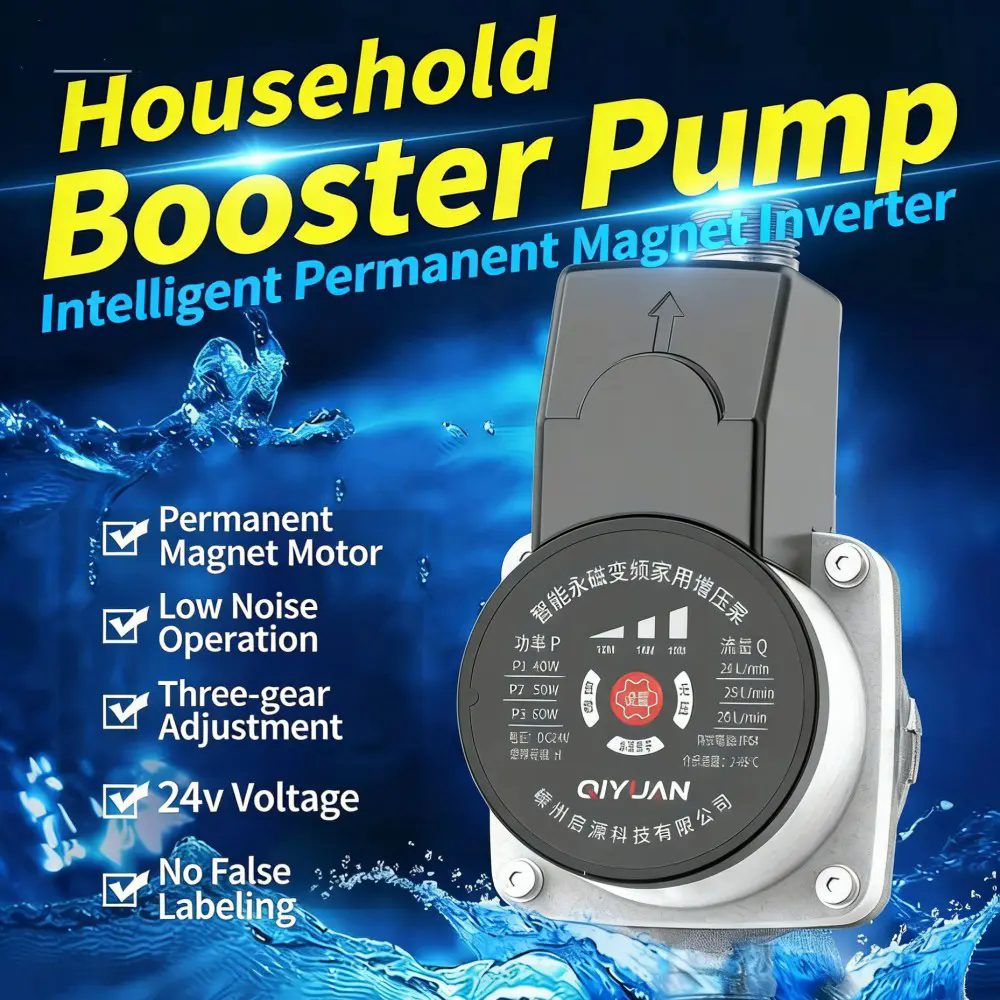
Table of Contents
- What Is a Booster Pump?
- How Does a Booster Pump Work?
- Common Applications of Booster Pumps
- Major Benefits of Using a Booster Pump
- Types of Booster Pumps
- How to Choose the Right Booster Pump
- Installation Tips
- Maintenance Guide
- Booster Pump Comparison Table
- FAQ
- Conclusion
What Is a Booster Pump?
A booster pump is a mechanical device designed to increase water pressure and improve fluid flow within a piping system. It is commonly used when the existing pressure is insufficient for daily operations, industrial equipment, irrigation systems, or multi-story buildings.
Booster pumps are widely installed in homes, hotels, manufacturing facilities, agricultural systems, municipal water supply networks, and commercial buildings. By maintaining consistent water pressure, these systems help prevent operational interruptions and improve overall efficiency.
- Increase water pressure
- Improve water flow consistency
- Support long-distance fluid transportation
- Optimize system efficiency
- Reduce pressure fluctuation
How Does a Booster Pump Work?
A booster pump works by drawing water from the main supply line and using an impeller-driven motor to increase the pressure before delivering the water to the required destination.
The system typically consists of:
- Electric motor
- Impeller
- Pressure tank
- Pressure switch
- Control system
- Inlet and outlet valves
When water demand increases, the pressure switch detects a drop in system pressure. The motor automatically activates the impeller, which accelerates the water flow and boosts pressure throughout the pipeline.
Modern booster pumps often include intelligent frequency control systems that automatically adjust motor speed based on demand. This improves energy efficiency while maintaining stable pressure levels.
| Component | Function |
|---|---|
| Motor | Provides power for operation |
| Impeller | Increases water velocity and pressure |
| Pressure Tank | Maintains stable pressure |
| Controller | Automates pump operation |
| Valves | Regulate water direction and flow |
Common Applications of Booster Pumps
Booster pumps are essential in many industries and environments where stable pressure is critical.
Improve shower pressure, support rooftop water systems, and maintain stable household water supply.
Used in hotels, office buildings, shopping centers, and hospitals to maintain consistent water pressure.
Support manufacturing equipment, cooling systems, and production lines requiring controlled water flow.
Ensure proper irrigation pressure across large farming areas and greenhouse systems.
Major Benefits of Using a Booster Pump
Investing in a high-quality booster pump provides several operational and economic advantages.
- Stable Water Pressure: Maintains consistent water flow even during peak demand.
- Improved Efficiency: Enhances system productivity and equipment performance.
- Energy Savings: Variable frequency systems reduce unnecessary energy consumption.
- Extended Equipment Life: Minimizes stress on pipelines and connected machinery.
- Reduced Downtime: Prevents interruptions caused by insufficient pressure.
- Enhanced User Experience: Improves comfort and operational reliability.
For industrial facilities, maintaining pressure stability is essential to avoid production inefficiencies and equipment damage. Professional booster pump systems from Dyfab are engineered to deliver long-term reliability under demanding conditions.
Types of Booster Pumps
Different applications require different booster pump configurations. Selecting the correct type improves performance and operational efficiency.
| Type | Best For | Advantages |
|---|---|---|
| Single-Stage Pump | Residential systems | Compact and cost-effective |
| Multi-Stage Pump | High-rise buildings | Higher pressure capacity |
| Variable Speed Pump | Commercial facilities | Energy efficient and intelligent control |
| Industrial Booster Pump | Heavy-duty operations | Durable and high-performance |
How to Choose the Right Booster Pump
Choosing the correct booster pump requires careful analysis of operational requirements. The wrong selection can lead to energy waste, unstable pressure, or premature system failure.
Key factors to evaluate include:
- Required flow rate
- Pressure requirements
- Pipe size and system layout
- Fluid type and temperature
- Installation environment
- Energy efficiency goals
- Noise limitations
- Maintenance accessibility
For industrial and commercial projects, consulting with experienced manufacturers such as Dyfab helps ensure accurate sizing and long-term operational stability.
Installation Tips
Proper installation directly affects booster pump performance and lifespan.
- Install the pump on a stable and vibration-resistant surface.
- Ensure adequate ventilation around the motor.
- Use correct pipe sizing to minimize pressure loss.
- Install check valves to prevent backflow.
- Verify electrical compatibility before startup.
- Prime the pump properly before operation.
- Use filtration systems to prevent debris damage.
Improper installation can lead to cavitation, excessive noise, overheating, and reduced pump efficiency.
Maintenance Guide
Routine maintenance is essential for maximizing the service life of a booster pump system.
- Inspect seals and connections regularly
- Monitor operating pressure and flow rate
- Check motor temperature during operation
- Clean filters and strainers frequently
- Lubricate moving components as recommended
- Inspect electrical connections for safety
- Replace worn components promptly
Preventive maintenance helps reduce unexpected downtime and lowers long-term operational costs.
Booster Pump Comparison Table
| Feature | Standard Pump | Booster Pump |
|---|---|---|
| Pressure Increase | Limited | High |
| Flow Stability | Variable | Consistent |
| Energy Efficiency | Moderate | High with variable speed control |
| Industrial Suitability | Basic | Excellent |
FAQ
1. Why is my water pressure low?
Low water pressure may result from long pipeline distances, elevation changes, pipe blockages, or insufficient municipal supply pressure.
2. Can a booster pump increase pressure for the entire building?
Yes. Properly sized booster pump systems can support residential, commercial, and industrial buildings.
3. Are booster pumps energy efficient?
Modern variable-speed booster pumps are highly energy efficient because they adjust operation based on actual demand.
4. How long does a booster pump last?
With proper maintenance, high-quality booster pumps can operate efficiently for many years.
5. Does a booster pump require professional installation?
Professional installation is strongly recommended to ensure safety, correct sizing, and optimal system performance.
Conclusion
Booster pumps play a critical role in maintaining stable water pressure and improving fluid transportation efficiency across residential, commercial, agricultural, and industrial applications. Choosing the right booster pump helps reduce operational problems, improve energy performance, and extend system lifespan.
Dyfab provides reliable and high-performance booster pump solutions engineered for demanding operating environments. Whether you need a compact residential system or a large-scale industrial pressure solution, selecting the right equipment is essential for long-term reliability and operational success.
Contact Us
Looking for a dependable booster pump solution for your project or facility?
Dyfab offers customized booster pump systems designed for high efficiency, durability, and stable performance.
Contact us today to discuss your requirements and receive professional support for your booster pump applications.