

How Does a Lotion Pump Improve Packaging Performance and User Experience?
2026-08-31
Article Summary
A lotion pump is more than a simple dispensing accessory. It plays an important role in protecting liquid products, improving user convenience, reducing product waste, and enhancing brand value. For skincare, personal care, household cleaning, and cosmetic products, choosing the right lotion pump directly affects packaging reliability and customer satisfaction.
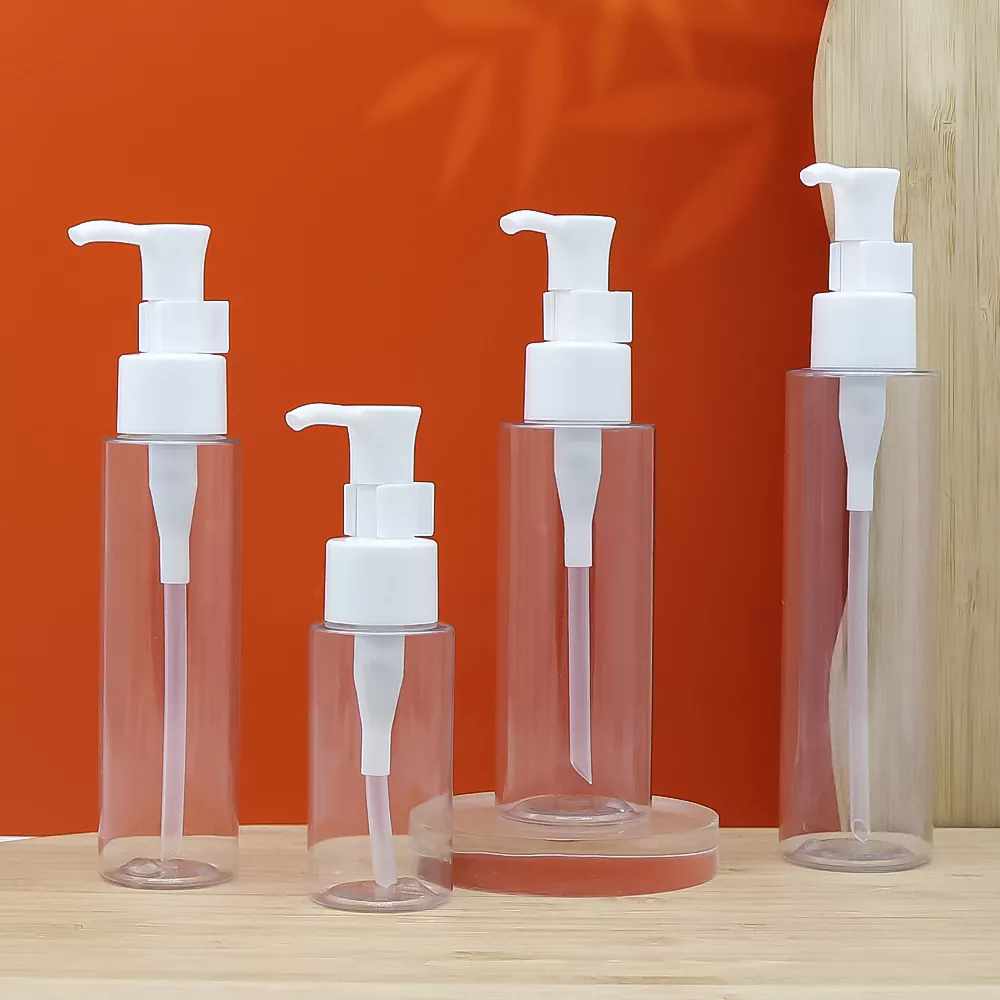
Modern brands face multiple challenges when selecting dispensing solutions, including leakage during transportation, inaccurate dosage control, poor compatibility with different formulas, and difficulties in creating unique packaging designs. A well-designed lotion pump can effectively solve these problems through stable dispensing performance, reliable sealing structures, and flexible customization options.
Chenmei Packaging Technology Co., Ltd specializes in developing and manufacturing customized packaging solutions for cosmetic and personal care industries. By combining professional production technology with quality control processes, the company provides lotion pump solutions designed to meet different product requirements and market applications.
Table of Contents
- 1. What Is a Lotion Pump?
- 2. Why Is a Lotion Pump Important for Product Packaging?
- 3. How Does a Lotion Pump Work?
- 4. Key Factors When Choosing a Lotion Pump
- 5. Different Types of Lotion Pumps and Their Applications
- 6. How Chenmei Packaging Technology Provides Better Lotion Pump Solutions
- 7. Frequently Asked Questions About Lotion Pumps
Article Outline
| Section | Main Topic | Purpose |
|---|---|---|
| 1 | Lotion Pump Introduction | Explain the basic function and role of lotion pumps |
| 2 | Packaging Benefits | Show how pumps improve product protection and user experience |
| 3 | Working Principle | Describe the internal mechanism of dispensing pumps |
| 4 | Selection Guide | Help brands choose suitable pump solutions |
| 5 | Product Categories | Compare different pump structures and applications |
| 6 | Manufacturer Advantages | Introduce professional customization solutions |
| 7 | FAQ | Answer common purchasing questions |
What Is a Lotion Pump?
A lotion pump is a dispensing component designed to transfer liquid products from a container to the user's hand through a controlled pressing mechanism. It is commonly used for skincare products, body lotion, shampoo, conditioner, hand sanitizer, liquid soap, and other medium-viscosity formulations.
Compared with traditional caps or pouring openings, lotion pumps provide a cleaner and more convenient application method. Users can obtain a controlled amount of product with one simple press, reducing unnecessary waste and improving daily usage efficiency.
A complete lotion pump usually consists of several important parts, including the actuator, pump head, spring mechanism, piston system, sealing components, and dip tube. Each component works together to ensure smooth dispensing and stable performance.
| Component | Function |
|---|---|
| Pump Head | Provides pressing operation and controls product output |
| Actuator | Directs liquid flow through the dispensing channel |
| Spring Mechanism | Returns the pump to its original position after pressing |
| Piston System | Creates pressure to move liquid upward |
| Dip Tube | Transfers liquid from the container bottom to the pump chamber |
| Sealing Structure | Prevents leakage and protects product quality |
Why Is a Lotion Pump Important for Product Packaging?
Packaging is not only responsible for storing products but also influences how customers interact with a brand. For liquid personal care products, the dispensing method directly affects convenience, hygiene, and product preservation.
Many manufacturers experience common packaging problems, such as inconsistent output volume, product leakage during shipping, or difficulty matching pumps with different liquid viscosities. Selecting an appropriate lotion pump helps overcome these challenges.
- Better Dosage Control: A quality lotion pump delivers a consistent amount with every press, helping users avoid excessive consumption.
- Improved Hygiene: Pump dispensing reduces direct contact between users and the remaining product inside the container.
- Reduced Product Waste: Stable internal structures help maximize product usage and reduce leftover material.
- Enhanced Brand Image: Smooth pressing performance and attractive designs create a premium user experience.
- Safer Transportation: Locking mechanisms help prevent accidental pressing and leakage during storage or shipping.
How Does a Lotion Pump Work?
Understanding the working principle of a lotion pump helps brands choose a suitable dispensing solution for different products. Although the external design may appear simple, a lotion pump contains a carefully engineered internal structure that enables smooth, controlled, and reliable dispensing.
When a user presses the pump actuator, the internal piston moves downward and compresses the spring mechanism. This action creates pressure inside the pump chamber, allowing the liquid product to move through the dip tube and flow toward the outlet. After releasing the pump head, the spring returns the components to their original position, preparing the pump for the next use.
| Operating Step | Internal Action | User Benefit |
|---|---|---|
| Pressing the Pump Head | The piston moves downward and creates pressure | Provides easy product dispensing |
| Liquid Movement | The product travels from the container through the dip tube | Ensures smooth and stable output |
| Product Dispensing | The liquid exits through the actuator opening | Allows accurate dosage control |
| Pump Recovery | The spring pushes components back into position | Prepares the pump for repeated operation |
The performance of a lotion pump depends on multiple engineering factors, including spring quality, sealing accuracy, material selection, and compatibility between the pump structure and the product formula. A professional manufacturer must consider these factors to ensure long-term reliability.
Key Factors When Choosing a Lotion Pump
Selecting the correct lotion pump is a critical decision for brands because different products have different requirements. A pump designed for a thin liquid may not perform well with a thicker cream or lotion formula. Therefore, manufacturers need to evaluate several important factors before production.
| Selection Factor | Why It Matters | Recommended Consideration |
|---|---|---|
| Product Viscosity | Different liquids require different pump structures | Choose pumps designed for the specific thickness of the formula |
| Output Volume | Affects user experience and product consumption | Select suitable dosage options according to application needs |
| Material Compatibility | Prevents chemical reactions between product and pump components | Confirm material resistance before mass production |
| Sealing Performance | Reduces leakage risks during storage and transportation | Use reliable sealing designs and quality inspection processes |
| Appearance Design | Influences product shelf appeal | Match pump style with brand positioning |
Brands should also consider production consistency. A high-quality lotion pump should maintain stable performance across large production batches. Variations in pressing force, output volume, or assembly quality can negatively affect customer satisfaction.
Different Types of Lotion Pumps and Their Applications
Lotion pumps are available in various designs to meet different packaging requirements. Choosing the correct type depends on product characteristics, packaging style, and market positioning.
| Type of Lotion Pump | Main Features | Common Applications |
|---|---|---|
| Standard Lotion Pump | Simple structure with reliable dispensing performance | Body lotion, hand cream, liquid soap |
| Lockable Lotion Pump | Includes locking function to prevent accidental pressing | Travel products, shipping-sensitive products |
| Foam Pump | Transforms liquid into foam through air mixing technology | Hand wash, facial cleanser |
| Treatment Pump | Provides precise dispensing for specialized formulas | Serums, skincare treatments |
| Custom Lotion Pump | Designed according to brand requirements | Premium cosmetics and customized packaging projects |
Different industries require different pump solutions. Cosmetic brands often focus on appearance, smooth operation, and premium feeling, while household chemical manufacturers may prioritize durability, chemical resistance, and cost efficiency.
A suitable lotion pump should balance functionality, design, and production requirements. Selecting the wrong pump type may result in poor dispensing performance, customer complaints, or unnecessary packaging costs.
How Chenmei Packaging Technology Provides Better Lotion Pump Solutions
For companies searching for reliable packaging components, manufacturing capability and customization experience are important considerations. Chenmei Packaging Technology Co., Ltd provides professional lotion pump solutions designed for various personal care and cosmetic packaging applications.
The company focuses on combining practical design with manufacturing efficiency. By understanding different product characteristics and market requirements, Chenmei Packaging Technology Co., Ltd helps customers develop packaging components that provide stable performance and attractive appearance.
- Customized Packaging Development: Different brands have unique requirements for pump appearance, structure, and functionality. Customized solutions allow products to achieve better market differentiation.
- Quality-Focused Production: Reliable production processes help maintain consistent performance and reduce quality issues during large-scale manufacturing.
- Wide Application Experience: Lotion pumps can be applied to multiple industries, including cosmetics, skincare, personal care, and household products.
- Professional Technical Support: Experienced teams can help customers select suitable structures according to product formulas and packaging goals.
- Flexible Manufacturing Solutions: Different output capacities, designs, and requirements can be considered according to customer projects.
For brands planning new product launches or upgrading existing packaging, choosing a professional lotion pump supplier can improve packaging reliability and strengthen customer satisfaction.
Frequently Asked Questions About Lotion Pumps
What Products Can Use a Lotion Pump?
Lotion pumps are widely used for products with medium or high viscosity, including body lotion, shampoo, conditioner, hand sanitizer, liquid soap, creams, and skincare products. The suitable pump model depends on the product formula and dispensing requirements.
How Can I Prevent Lotion Pump Leakage?
Leakage prevention requires proper sealing design, compatible materials, and correct assembly. Choosing a reliable supplier and testing pump performance before mass production can significantly reduce leakage problems.
Can Lotion Pumps Be Customized?
Yes. Many lotion pumps can be customized in terms of color, appearance, output volume, locking structure, and packaging compatibility. Customized solutions help brands create unique product identities.
How Do I Choose the Right Pump Output Volume?
The ideal output volume depends on product usage habits and application scenarios. Daily-use products may require moderate dispensing amounts, while concentrated skincare products often need more precise dosage control.
Are Lotion Pumps Suitable for Export Packaging?
Many lotion pumps include locking functions and protective structures designed for transportation. These features help reduce accidental dispensing and improve packaging safety during international shipping.
Conclusion
A lotion pump plays an essential role in modern product packaging by improving convenience, controlling dosage, protecting product quality, and enhancing brand presentation. For manufacturers, selecting the right pump structure is an important step toward creating reliable and competitive products.
With professional manufacturing capabilities and customized packaging experience, Chenmei Packaging Technology Co., Ltd provides lotion pump solutions designed to meet different market needs. Whether you need standard dispensing solutions or customized packaging development, choosing the right partner can help improve product performance and customer satisfaction.
If you are looking for dependable lotion pump solutions with professional support and customized options, please contact us today to discuss your packaging requirements and find the best solution for your products.