

How Does a Pressure Reducing Valve Improve System Stability and Efficiency?
2026-03-19
Abstract
A pressure reducing valve plays a critical role in fluid control systems by maintaining consistent downstream pressure regardless of fluctuations upstream. This article provides a comprehensive explanation of how pressure reducing valves function, their key components, application benefits, and how to select the right model. It addresses common operational challenges such as pressure spikes, equipment wear, and energy inefficiency, offering practical solutions for industrial and commercial users.
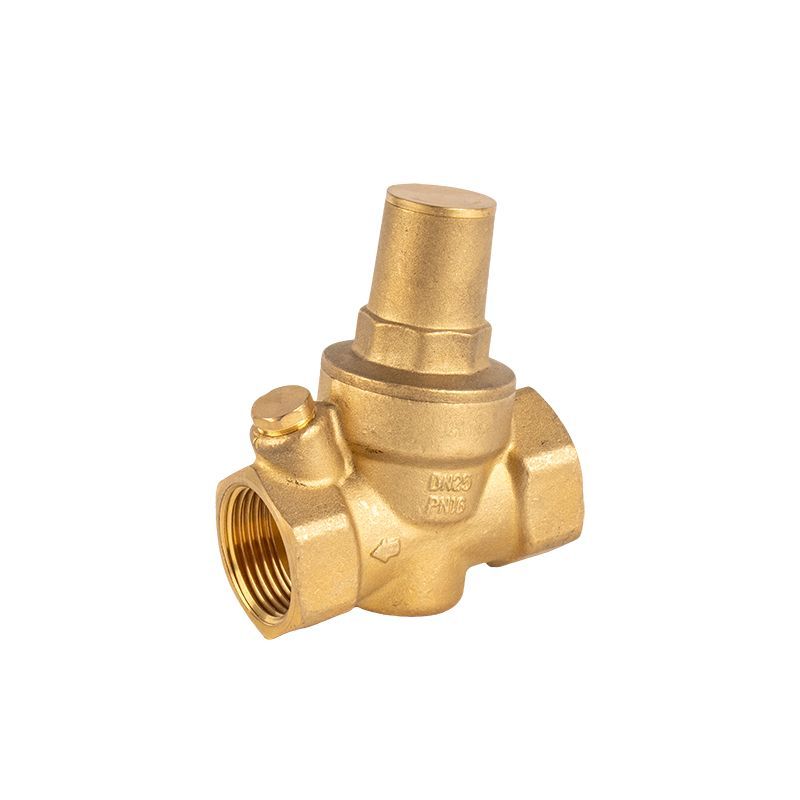
Table of Contents
- 1. Introduction to Pressure Reducing Valves
- 2. How a Pressure Reducing Valve Works
- 3. Key Components and Structure
- 4. Technical Parameters Overview
- 5. Benefits in Industrial Applications
- 6. Common Problems and Solutions
- 7. How to Choose the Right Valve
- 8. Application Scenarios
- 9. Frequently Asked Questions
- 10. Conclusion
1. Introduction to Pressure Reducing Valves
A pressure reducing valve (PRV) is a self-regulating device designed to control and stabilize downstream pressure in a pipeline system. It ensures that sensitive equipment receives fluid at a safe and consistent pressure level, even when upstream pressure fluctuates.
Industries such as water supply, oil and gas, HVAC, and manufacturing rely heavily on pressure reducing valves to maintain operational safety and efficiency. Without proper pressure control, systems are prone to leakage, mechanical damage, and reduced lifespan.
2. How a Pressure Reducing Valve Works
The working principle of a pressure reducing valve is based on balancing forces between spring tension and downstream pressure feedback.
- Step 1: Fluid enters the valve at high pressure.
- Step 2: The valve opening is controlled by a spring-loaded diaphragm or piston.
- Step 3: As downstream pressure increases, it pushes against the diaphragm.
- Step 4: The valve modulates its opening to maintain the set pressure.
This automatic adjustment ensures stable output pressure without requiring external power or manual intervention.
3. Key Components and Structure
Understanding the internal structure helps users optimize performance and maintenance.
- Valve Body: Houses internal components and withstands system pressure.
- Spring: Determines the set pressure range.
- Diaphragm or Piston: Senses downstream pressure changes.
- Seat and Disc: Controls fluid flow.
- Adjustment Screw: Allows manual setting of desired pressure.
4. Technical Parameters Overview
| Parameter | Description |
|---|---|
| Nominal Diameter | DN15 – DN200 |
| Pressure Range | 0.1 MPa – 2.5 MPa |
| Temperature Range | -20°C to 180°C |
| Material | Brass, Stainless Steel, Cast Iron |
| Connection Type | Threaded / Flanged |
5. Benefits in Industrial Applications
Pressure reducing valves offer multiple advantages that directly address common operational challenges:
- Improved Equipment Protection: Prevents damage caused by excessive pressure.
- Energy Efficiency: Reduces unnecessary energy consumption.
- Stable System Operation: Maintains consistent flow and pressure.
- Reduced Maintenance Costs: Minimizes wear and tear on pipelines and components.
- Enhanced Safety: Prevents system failures and accidents.
6. Common Problems and Solutions
| Problem | Cause | Solution |
|---|---|---|
| Pressure Fluctuation | Incorrect valve sizing | Select appropriate valve capacity |
| Noise and Vibration | High flow velocity | Install multi-stage pressure reduction |
| Leakage | Worn sealing components | Replace seat or diaphragm |
| Slow Response | Blocked sensing line | Clean or replace components |
7. How to Choose the Right Valve
Selecting the correct pressure reducing valve requires careful evaluation of system requirements:
- Flow Rate: Ensure the valve can handle maximum demand.
- Inlet and Outlet Pressure: Define operating range.
- Fluid Type: Water, steam, gas, or chemicals.
- Material Compatibility: Prevent corrosion or contamination.
- Installation Environment: Indoor, outdoor, or hazardous conditions.
Hongxiang provides a wide range of high-performance pressure reducing valves engineered for durability and precision control across various industries.
8. Application Scenarios
Pressure reducing valves are widely used in:
- Water distribution systems
- HVAC systems
- Industrial processing plants
- Fire protection systems
- Steam distribution networks
Their versatility makes them indispensable in both commercial and industrial infrastructures.
9. Frequently Asked Questions
Q1: What is the main function of a pressure reducing valve?
A pressure reducing valve maintains a stable downstream pressure regardless of upstream fluctuations, ensuring safe and efficient system operation.
Q2: How often should a pressure reducing valve be maintained?
Routine inspection is recommended every 6–12 months depending on operating conditions. Critical systems may require more frequent checks.
Q3: Can one valve handle all pressure ranges?
No. Each valve is designed for a specific pressure range. Selecting the correct model is essential for optimal performance.
Q4: What materials are best for corrosive environments?
Stainless steel or specially coated materials are recommended for handling corrosive fluids.
10. Conclusion
A pressure reducing valve is a vital component for ensuring system stability, safety, and efficiency. By automatically regulating pressure, it protects equipment, reduces operational costs, and enhances overall performance. Choosing the right valve and maintaining it properly can significantly extend the lifespan of your system.
Hongxiang specializes in manufacturing high-quality pressure reducing valves designed to meet diverse industrial requirements. For detailed specifications and customized solutions, visit the product page or contact our team directly.
Contact us today to get expert guidance and find the most suitable pressure reducing valve for your application.