

How Does a Self-Priming Pump Work?
2026-04-23
Abstract
A self-priming pump is a specialized pumping system designed to automatically evacuate air from the suction line and begin pumping fluid without requiring manual priming. This capability makes it highly valuable in industrial, agricultural, construction, and domestic applications where fluid levels may fluctuate or where pumps are installed above the liquid source. This article explains how a self-priming pump works, its internal structure, key benefits, practical applications, maintenance considerations, and how to choose the right model for your needs.
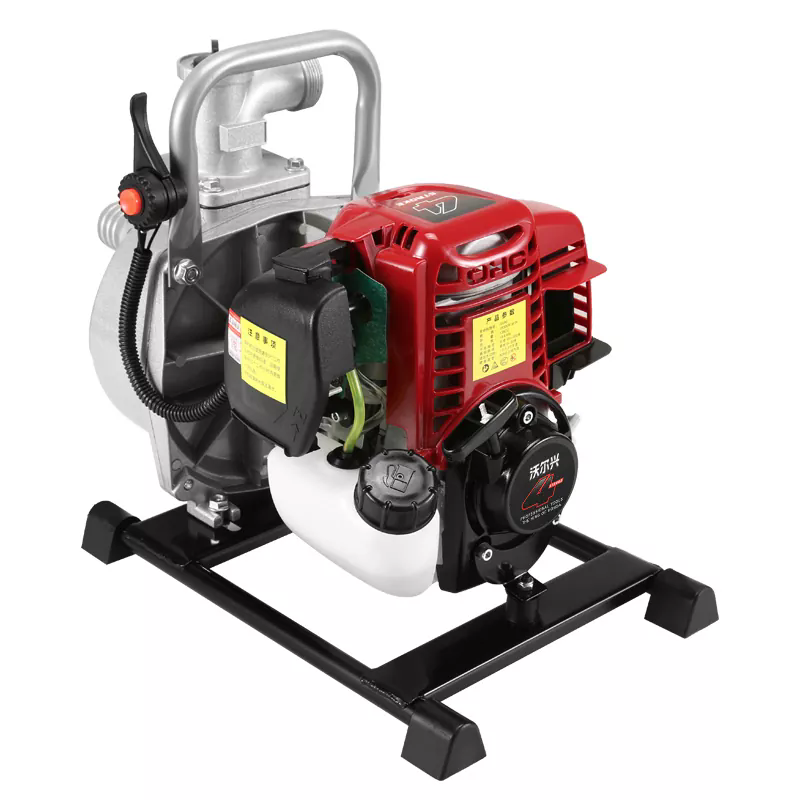
Table of Contents
- Outline Overview
- What Is a Self-Priming Pump?
- How Does a Self-Priming Pump Work?
- Key Components
- Advantages
- Common Applications
- Selection Guide
- Maintenance Tips
- Troubleshooting Common Issues
- FAQ
Outline Overview
- Introduction to self-priming pump principles
- Step-by-step working mechanism
- Main structural components explained
- Benefits over conventional pumps
- Industrial and residential applications
- Buying and selection guidance
- Maintenance and operational best practices
- Common faults and solutions
- Frequently asked questions
What Is a Self-Priming Pump?
A self-priming pump is a type of centrifugal pump engineered to remove air from its suction line automatically and initiate fluid transfer without external intervention. Unlike standard pumps that require manual filling before operation, self-priming pumps are designed with an internal recirculation chamber that allows them to separate air from liquid and maintain continuous operation even when air enters the system.
This feature significantly reduces downtime and improves operational efficiency in environments where pumps may frequently lose prime due to air ingress or variable fluid levels.
How Does a Self-Priming Pump Work?
The working mechanism of a self-priming pump is based on air-liquid separation and internal recirculation. When the pump starts, it initially contains both air and liquid. The impeller begins rotating, creating a vacuum that draws the mixture into the pump casing.
Inside the pump, the fluid is forced into a separation chamber where air and liquid are separated. The air is expelled through the discharge outlet, while the liquid is retained and continuously recirculated within the pump body. This process continues until all air is removed from the suction line and a stable liquid flow is established.
Once fully primed, the pump operates like a standard centrifugal pump, maintaining steady fluid movement without interruption.
- Step 1: Pump starts with air-liquid mixture
- Step 2: Impeller creates vacuum suction
- Step 3: Air is separated in chamber
- Step 4: Air is discharged, liquid recirculates
- Step 5: Full priming achieved, stable pumping begins
Key Components
Understanding the internal structure of a self-priming pump helps clarify its efficiency and reliability. The main components include:
- Impeller: Generates centrifugal force to move fluid
- Pump casing: Houses internal flow and separation chamber
- Suction inlet: Draws fluid and air mixture into the pump
- Discharge outlet: Releases air and pumped liquid
- Separation chamber: Critical for air-liquid separation process
- Check valve (in some models): Prevents backflow
Advantages
Self-priming pumps offer several operational advantages over traditional pumping systems, especially in demanding environments.
- No manual priming required
- Reduced downtime during startup
- Better performance with intermittent air presence
- Suitable for variable fluid levels
- Lower operational complexity
- Improved reliability in remote installations
These benefits make them a preferred choice in industries where continuous and stable fluid handling is essential.
Common Applications
Self-priming pumps are widely used across multiple industries due to their versatility and ease of operation.
- Agricultural irrigation systems
- Construction site dewatering
- Industrial fluid transfer
- Sewage and wastewater handling
- Firefighting systems
- Domestic water supply systems
Their ability to handle air-entrained fluids makes them especially useful in unstable or mobile pumping conditions.
Selection Guide
Choosing the right self-priming pump requires evaluating several technical and operational factors. The table below provides a simplified guide:
| Factor | Description | Recommendation |
|---|---|---|
| Flow Rate | Volume of fluid moved per unit time | Select based on system demand (low/medium/high) |
| Head Pressure | Maximum lifting height | Match with installation height requirements |
| Material | Pump construction (cast iron, stainless steel) | Choose corrosion-resistant materials for harsh fluids |
| Fluid Type | Clean water, wastewater, chemicals | Ensure compatibility with pump design |
Maintenance Tips
Proper maintenance ensures long-term efficiency and reduces operational failures. Key maintenance practices include:
- Regular inspection of seals and gaskets
- Cleaning of suction and discharge lines
- Monitoring for air leaks in suction system
- Lubrication of mechanical components
- Checking impeller wear periodically
Preventive maintenance is essential to maintain consistent performance and extend service life.
Troubleshooting Common Issues
Even reliable pumps may encounter operational issues. Below are common problems and solutions:
- Pump not priming: Check for air leaks or insufficient initial liquid
- Low flow rate: Inspect impeller for blockage or wear
- Excessive noise: Verify cavitation or misalignment
- Overheating: Ensure proper fluid circulation and lubrication
FAQ
1. Can a self-priming pump run dry?
It can handle short dry conditions, but prolonged dry running may damage internal components.
2. How long does it take to self-prime?
Typically between a few seconds to several minutes depending on suction height and system design.
3. Are self-priming pumps suitable for dirty water?
Yes, many models are designed for wastewater and slurry applications.
4. Do they require manual priming initially?
Most modern designs require only an initial fill; after that, they self-prime automatically.
Conclusion
Self-priming pumps provide a reliable and efficient solution for fluid handling systems where air presence and fluctuating liquid levels are common challenges. Their automatic priming capability reduces operational complexity and enhances system stability across various industries.
For high-quality pump solutions and technical support, Yongkang Yueli Industry and Trade Company offers a range of durable and efficient pumping systems designed for industrial and commercial needs. If you are looking for dependable equipment and professional assistance, feel free to contact us for tailored solutions and product details.