

How Does a Submerged Pump Work?
2026-03-20
Article Summary
A submerged pump is a highly efficient fluid transfer solution designed to operate entirely underwater. It is widely used in industrial drainage, wastewater treatment, mining operations, and agricultural irrigation. This article explains how a submerged pump works, its internal structure, advantages, key selection criteria, and common user concerns. Clear explanations, structured data, and practical guidance are provided to help buyers and engineers make informed decisions.
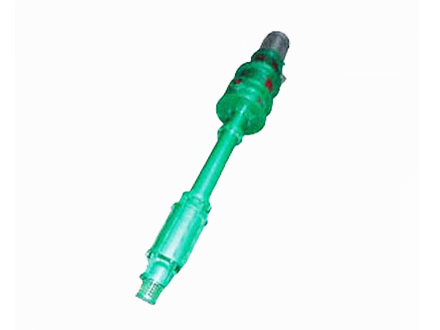
Table of Contents
- 1. What Is a Submerged Pump?
- 2. How Does a Submerged Pump Work?
- 3. Key Components of a Submerged Pump
- 4. Advantages of Submerged Pumps
- 5. Common Applications
- 6. How to Choose the Right Submerged Pump
- 7. Product Parameters Overview
- 8. Installation and Maintenance Tips
- 9. Frequently Asked Questions
- 10. Conclusion
1. What Is a Submerged Pump?
A submerged pump, also known as a submersible pump, is a device designed to operate while fully immersed in liquid. Unlike traditional pumps that sit above ground and draw fluid upward, submerged pumps push liquid to the surface. This fundamental difference significantly improves efficiency and reduces energy loss.
These pumps are hermetically sealed to prevent water ingress into the motor. Their compact and integrated design allows them to function reliably in harsh environments such as sewage systems, flooded areas, and deep wells.
2. How Does a Submerged Pump Work?
The working principle of a submerged pump is based on direct fluid displacement. When the motor is activated, it drives an impeller that rotates at high speed. This rotation generates centrifugal force, which pushes the liquid outward and upward through the discharge pipe.
Because the pump is already submerged, it does not need to expend energy on suction. Instead, it relies on pressure generation, which leads to higher efficiency and smoother operation.
- The motor is sealed and located within the pump housing
- The impeller rotates to create kinetic energy
- Liquid is pushed upward through a discharge outlet
- Continuous flow is maintained as long as the motor runs
This design minimizes cavitation risks and ensures consistent performance even in demanding conditions.
3. Key Components of a Submerged Pump
Understanding the internal structure helps users evaluate durability and performance. A submerged pump typically includes the following components:
- Electric Motor: Fully sealed and waterproof
- Impeller: Responsible for moving the fluid
- Pump Casing: Protects internal components
- Seal System: Prevents water from entering the motor
- Discharge Outlet: Directs fluid to the desired location
- Power Cable: Specially insulated for underwater use
High-quality materials such as stainless steel or cast iron are commonly used to ensure long-term durability and corrosion resistance.
4. Advantages of Submerged Pumps
Submerged pumps offer several operational and economic advantages that address common customer pain points such as energy consumption, noise, and maintenance complexity.
- High Efficiency: Eliminates suction losses
- Quiet Operation: Water dampens motor noise
- Space Saving: No need for external installation
- Reduced Cavitation: Improves reliability
- Lower Maintenance: Integrated and sealed system
These benefits make submerged pumps a preferred choice for modern fluid handling systems.
5. Common Applications
Submerged pumps are versatile and widely used across multiple industries:
- Wastewater and sewage treatment plants
- Construction site drainage
- Agricultural irrigation systems
- Mining and quarry operations
- Flood control and emergency water removal
- Industrial fluid transfer processes
Their ability to operate underwater makes them especially valuable in environments where traditional pumps would struggle.
6. How to Choose the Right Submerged Pump
Selecting the correct pump requires careful evaluation of several factors. Choosing the wrong model can lead to inefficiency, frequent breakdowns, or operational failure.
- Flow Rate: Determines how much liquid can be moved
- Head Height: Indicates the vertical lifting capacity
- Liquid Type: Clean water, slurry, or sewage
- Material: Corrosion resistance for specific environments
- Power Requirements: Voltage and motor capacity
- Installation Depth: Determines structural design
For demanding industrial needs, manufacturers such as Hongzheng Pump Industry (Jiangsu) Co., Ltd. provide customized solutions tailored to specific operational conditions.
7. Product Parameters Overview
| Parameter | Description |
| Flow Rate | 10 – 5000 m³/h |
| Head Range | 5 – 100 meters |
| Power Range | 0.75 – 250 kW |
| Voltage | 220V / 380V / 440V |
| Material | Cast Iron / Stainless Steel |
| Temperature Range | Up to 60°C |
| Application | Clean water, sewage, slurry |
These parameters provide a general reference. Actual specifications should be matched with project requirements.
8. Installation and Maintenance Tips
Proper installation and routine maintenance are essential for maximizing pump lifespan and performance.
- Ensure correct electrical connections and grounding
- Avoid dry running to prevent motor damage
- Regularly inspect seals and cables
- Clean debris from the impeller
- Monitor vibration and noise levels
Preventive maintenance reduces downtime and ensures stable long-term operation.
9. Frequently Asked Questions
Q1: Can a submerged pump run continuously?
Yes, most industrial-grade submerged pumps are designed for continuous operation, provided they are properly cooled and maintained.
Q2: What is the difference between a submerged pump and a surface pump?
A submerged pump operates underwater and pushes liquid upward, while a surface pump remains above ground and pulls liquid, making it less efficient in many cases.
Q3: How long does a submerged pump last?
With proper maintenance, a high-quality submerged pump can last between 5 to 15 years depending on usage conditions and material quality.
Q4: Can it handle solid particles?
Yes, certain models are specifically designed for sewage or slurry applications and can handle solids without clogging.
10. Conclusion
A submerged pump is a reliable and efficient solution for fluid transfer across a wide range of industries. Its ability to operate underwater eliminates common inefficiencies associated with traditional pumping systems, making it an ideal choice for demanding environments.
By understanding its working principle, structure, and selection criteria, users can significantly improve operational efficiency and reduce long-term costs. For high-performance and customized submerged pump solutions, Hongzheng Pump Industry (Jiangsu) Co., Ltd. offers advanced manufacturing capabilities and dependable product quality.
If you are looking for a durable and efficient submerged pump tailored to your specific application, contact us today to receive professional guidance and a customized solution that meets your exact requirements.