

How Does a Submersible Pump Work?
2026-05-09
Table of Contents
- What is a Submersible Pump?
- How Does a Submersible Pump Work?
- Why Choose a Submersible Pump?
- Key Components of a Submersible Pump
- Applications of Submersible Pumps
- Maintenance and Troubleshooting Tips
- Choosing the Right Submersible Pump
- FAQ
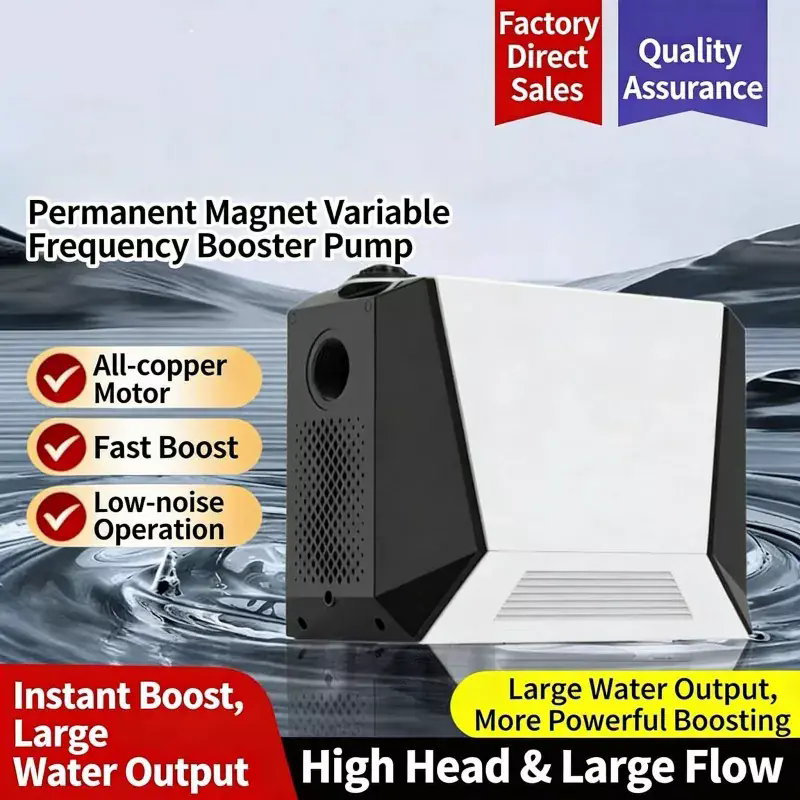
What is a Submersible Pump?
A submersible pump is a type of pump that operates while fully submerged in the liquid it is designed to move. Unlike conventional pumps that require suction from above, submersible pumps push fluid to the surface, which increases efficiency and reduces energy consumption. These pumps are widely used in water supply systems, wastewater management, irrigation, and industrial processes.
Submersible pumps are designed to handle a wide range of liquids, from clean water to industrial fluids, and they are particularly valued for their quiet operation and ability to prevent cavitation, a common issue in traditional pumps.
How Does a Submersible Pump Work?
The operation of a submersible pump is both simple and efficient. Its main principle is to convert mechanical energy from an electric motor into kinetic energy, which moves the liquid upward. Here’s a breakdown of the process:
- Electric Motor Activation: The motor is fully enclosed and submerged, powering the pump impeller directly.
- Fluid Entry: Liquid enters through the inlet at the bottom of the pump.
- Impeller Action: The rotating impeller increases fluid pressure and moves it toward the discharge pipe.
- Discharge: The pressurized liquid is pushed upward to the desired outlet, whether it is a tank, pipeline, or irrigation system.
Compared to surface pumps, submersible pumps are more energy-efficient because they eliminate the need for suction lift, reducing strain on the motor and improving performance.
Why Choose a Submersible Pump?
There are several reasons to select a submersible pump over other types of pumps:
- Energy Efficiency: By operating directly in the fluid, energy loss due to suction is minimized.
- Reduced Noise: Submersion naturally muffles operational sound.
- Reliability: Fewer moving parts above ground mean less exposure to environmental wear and tear.
- Space-Saving: Ideal for confined spaces or deep wells where above-ground installations are impractical.
Key Components of a Submersible Pump
| Component | Function |
|---|---|
| Electric Motor | Provides power to drive the pump impeller while sealed to prevent liquid ingress. |
| Impeller | Rotates to move fluid and generate pressure. |
| Pump Housing | Encases all components and protects them from damage. |
| Seals and Bearings | Prevent leakage and ensure smooth rotation of the impeller. |
| Discharge Pipe | Channels fluid from the pump to the outlet efficiently. |
Applications of Submersible Pumps
Submersible pumps are extremely versatile and used in multiple industries:
- Agriculture: Irrigation, pond drainage, and water transfer.
- Residential: Household wells, sump pumps, and basement water removal.
- Industrial: Cooling systems, chemical transfer, and wastewater management.
- Municipal: Sewage and stormwater handling in urban infrastructure.
Maintenance and Troubleshooting Tips
Regular maintenance is key to extending the lifespan of submersible pumps:
- Check and clean the pump intake to prevent clogging.
- Inspect electrical connections and insulation periodically.
- Monitor vibration and unusual noises to detect bearing or impeller issues early.
- Test seals regularly to avoid leakage into the motor.
Common troubleshooting tips include:
- Pump Not Starting: Check the power supply and ensure the circuit breaker is functional.
- Reduced Flow: Inspect for blockages, impeller wear, or air locks.
- Overheating: Ensure proper submersion and verify that the motor is running within recommended limits.
Choosing the Right Submersible Pump
Selecting the right submersible pump depends on several factors:
| Factor | Consideration |
|---|---|
| Fluid Type | Clean water, wastewater, or abrasive fluids affect material choice. |
| Flow Rate | Measured in liters per minute (LPM) or gallons per minute (GPM), determine how much fluid needs to be moved. |
| Head Height | The vertical distance fluid must be pumped; impacts motor and impeller selection. |
| Power Source | Electric, diesel, or solar options depending on site conditions. |
| Installation Environment | Well depth, tank size, or exposure to corrosive fluids will influence pump material and design. |
Dyfab offers a range of submersible pumps tailored to meet these criteria, ensuring high performance, durability, and energy efficiency for any application.
FAQ
Q: Can a submersible pump handle dirty water?
A: Yes, submersible pumps designed for wastewater or slurry can handle liquids with solids and debris. Make sure to choose a pump specifically rated for dirty water to prevent clogging and wear.
Q: How deep can a submersible pump be installed?
A: Submersible pumps can be installed at depths ranging from a few meters to several hundred meters, depending on the pump model and manufacturer specifications. Dyfab pumps are engineered for both shallow and deep well applications.
Q: Is it energy-efficient to use a submersible pump?
A: Yes, submersible pumps are generally more energy-efficient than surface pumps because they eliminate suction losses and directly push the liquid, reducing power consumption.
Q: What maintenance is required for submersible pumps?
A: Regular maintenance includes checking electrical connections, cleaning the pump inlet, inspecting seals and bearings, and monitoring for vibration or unusual noise. Dyfab provides detailed maintenance guidelines with each pump model.
Q: Can submersible pumps run dry?
A: Most submersible pumps are not designed to run dry. Running without liquid can damage the motor and impeller. Always ensure the pump remains submerged in the fluid it is pumping.
Conclusion
Submersible pumps are a versatile, efficient, and reliable solution for moving fluids in residential, agricultural, industrial, and municipal settings. By understanding how they work, their advantages, key components, and proper maintenance practices, you can ensure optimal performance and long service life. Choosing the right pump involves careful consideration of flow rate, head height, fluid type, and environmental conditions.
Dyfab specializes in providing high-quality submersible pumps that meet the diverse needs of our customers. Our products are designed for durability, efficiency, and ease of maintenance, making them a trusted choice for businesses and homeowners alike.
To learn more about Dyfab submersible pumps and discover the ideal solution for your application, contact us today. Our team is ready to provide expert guidance and ensure you select the perfect pump for your needs.