

Article Summary
A swimming pool is a place for relaxation, exercise, and entertainment, but maintaining comfortable water temperature throughout the year can be challenging. Traditional heating methods often lead to high energy consumption, unstable temperature control, and increased maintenance costs. A Swimming Pool Heat Pump provides an efficient solution by extracting heat from the surrounding air and transferring it into pool water with minimal electricity usage.
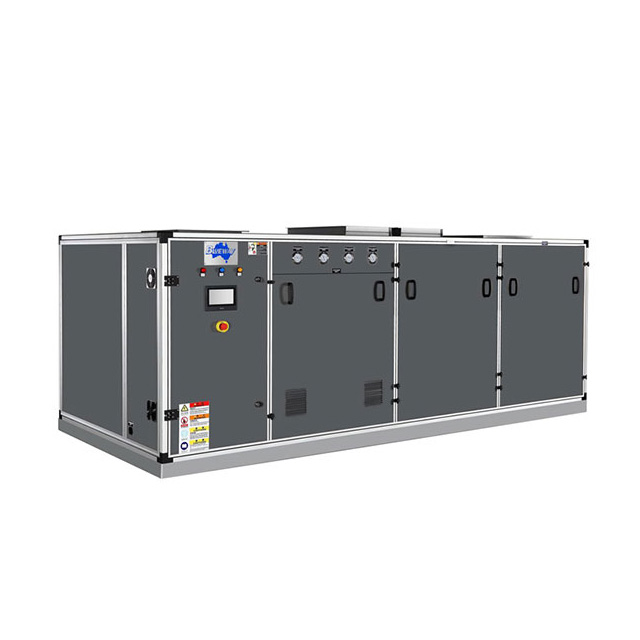
This article explains how a Swimming Pool Heat Pump works, why it is becoming a preferred choice for modern pool owners, what factors should be considered before installation, and how it helps reduce operating costs while improving swimming experiences. Foshan Blueway Electric Appliances Co., Ltd. specializes in developing reliable heating solutions designed to meet different pool heating requirements worldwide.
Table of Contents
- How Does a Swimming Pool Heat Pump Work?
- What Advantages Does a Swimming Pool Heat Pump Provide?
- How to Select the Right Swimming Pool Heat Pump?
- How Does Installation Affect Heat Pump Performance?
- How Can You Maintain a Swimming Pool Heat Pump?
- Swimming Pool Heat Pump Compared With Traditional Heating Methods
- Frequently Asked Questions About Swimming Pool Heat Pumps
Article Outline
- Understanding the operating principle of swimming pool heat pumps
- Exploring energy-saving and performance benefits
- Choosing suitable equipment according to pool requirements
- Improving service life through proper installation and maintenance
- Answering common questions from pool owners
How Does a Swimming Pool Heat Pump Work?
A Swimming Pool Heat Pump uses advanced heat transfer technology to warm pool water efficiently. Instead of generating heat directly through fuel combustion or electric resistance, it captures available heat energy from the surrounding air and transfers it into the pool circulation system.
The working process usually includes four main stages:
- Heat absorption: The outdoor air passes through the evaporator, where refrigerant absorbs heat energy from the environment.
- Heat compression: The compressor increases the temperature level of the refrigerant by compressing it.
- Heat transfer: The condenser transfers heat from the refrigerant to the pool water.
- Circulation: Warm water returns to the swimming pool, creating a stable and comfortable temperature.
Because the system mainly transfers existing heat rather than creating heat from electricity, it can achieve high energy efficiency. This makes it suitable for residential pools, commercial swimming facilities, hotels, fitness centers, and water recreation projects.
What Advantages Does a Swimming Pool Heat Pump Provide?
Many pool owners face challenges such as expensive heating bills, short swimming seasons, and inconsistent water temperatures. A Swimming Pool Heat Pump addresses these problems through efficient operation and intelligent temperature management.
| Challenge | Heat Pump Solution |
|---|---|
| High energy costs from traditional heaters | Uses renewable heat energy from ambient air to reduce electricity consumption |
| Limited swimming season | Maintains comfortable water temperatures during different weather conditions |
| Frequent temperature fluctuations | Provides stable and automatic temperature control |
| High maintenance requirements | Designed with durable components and reliable operation |
Energy Efficiency and Cost Savings
One of the most important benefits of a Swimming Pool Heat Pump is reduced operating expenses. Traditional heating equipment often consumes significant amounts of energy because it must generate heat directly. Heat pumps transfer existing heat from the environment, allowing them to provide more heating output with less electrical input.
Over long-term operation, this efficiency can significantly lower energy bills, especially for pools that require continuous temperature control throughout the year.
Environmental Benefits
Modern pool owners increasingly focus on environmentally responsible solutions. Swimming Pool Heat Pumps produce fewer emissions compared with fuel-based heating systems because they do not rely on burning gas or oil to generate heat.
By improving energy utilization and reducing unnecessary power consumption, heat pumps support more sustainable pool management.
How to Select the Right Swimming Pool Heat Pump?
Choosing the correct heat pump model is essential for achieving efficient heating performance. Several factors should be evaluated before purchasing equipment.
- Pool size: Larger pools require higher heating capacity to maintain the desired temperature.
- Climate conditions: Local air temperature affects heat absorption efficiency.
- Desired water temperature: Different applications may require different heating levels.
- Operating schedule: Pools used frequently may need stronger continuous heating capability.
- Installation environment: Proper airflow around the unit improves performance.
A professional supplier can help analyze these requirements and recommend a suitable solution. Foshan Blueway Electric Appliances Co., Ltd. provides customized swimming pool heating solutions designed for various applications and market demands.
How Does Installation Affect Heat Pump Performance?
Even a high-quality Swimming Pool Heat Pump requires correct installation to achieve optimal performance. Poor installation may reduce efficiency, increase noise levels, and shorten equipment lifespan.
Important installation considerations include:
- Installing the unit in an open area with sufficient airflow.
- Avoiding locations blocked by walls or obstacles.
- Ensuring correct connection between the heat pump and pool circulation system.
- Protecting electrical connections from moisture exposure.
- Following manufacturer installation guidelines.
Professional installation ensures that the heat pump operates smoothly and maintains stable heating performance over time.
How Can You Maintain a Swimming Pool Heat Pump?
Regular maintenance helps maintain efficiency and extends the service life of pool heating equipment. Although heat pumps are designed for reliable operation, routine inspections are still necessary.
- Clean air filters and evaporator surfaces regularly.
- Check water flow conditions to prevent circulation problems.
- Inspect electrical connections periodically.
- Keep the surrounding area free from debris.
- Monitor operating performance and unusual sounds.
Proper maintenance reduces the risk of unexpected failures and helps the system maintain consistent heating output.
Swimming Pool Heat Pump Compared With Traditional Heating Methods
| Heating Method | Energy Efficiency | Operating Cost | Environmental Impact |
|---|---|---|---|
| Swimming Pool Heat Pump | High efficiency through heat transfer technology | Lower long-term cost | Lower emissions |
| Gas Heater | Fast heating but depends on fuel consumption | Higher fuel expenses | More emissions |
| Electric Resistance Heater | Direct electricity conversion | Higher electricity usage | Higher energy demand |
Compared with traditional heating systems, Swimming Pool Heat Pumps offer a balanced combination of efficiency, reliability, and environmental advantages, making them increasingly popular for modern pool applications.
Frequently Asked Questions About Swimming Pool Heat Pumps
1. How long does a Swimming Pool Heat Pump usually last?
With proper installation and regular maintenance, a quality Swimming Pool Heat Pump can provide many years of reliable operation. Service life depends on product quality, usage frequency, and maintenance conditions.
2. Can a Swimming Pool Heat Pump work in cold weather?
Yes. Many modern heat pumps are designed with advanced technology to operate efficiently under different climate conditions. However, performance may vary depending on outdoor temperature and humidity.
3. Is a Swimming Pool Heat Pump expensive to operate?
Compared with many traditional heating methods, heat pumps generally have lower operating costs because they transfer heat instead of generating heat directly.
4. How quickly can a heat pump warm a swimming pool?
Heating speed depends on pool size, water volume, outdoor temperature, heat pump capacity, and insulation conditions. Proper sizing helps achieve better heating results.
5. Why choose Foshan Blueway Electric Appliances Co., Ltd. for swimming pool heating solutions?
Foshan Blueway Electric Appliances Co., Ltd. focuses on developing efficient and dependable heating products for global customers. With professional manufacturing experience and attention to product performance, the company provides solutions that help customers achieve comfortable pool environments with improved energy efficiency.
Conclusion
A Swimming Pool Heat Pump is an efficient and practical solution for maintaining comfortable pool temperatures while controlling energy consumption. By using heat transfer technology, it provides reliable heating performance, lower operating costs, and environmentally friendly operation.
For pool owners, selecting the right equipment, ensuring professional installation, and performing regular maintenance are key steps to maximizing benefits. With advanced solutions from Foshan Blueway Electric Appliances Co., Ltd., customers can enjoy more comfortable swimming experiences and improved heating efficiency.
If you are looking for a reliable Swimming Pool Heat Pump solution tailored to your project requirements, please contact us for professional support and customized heating solutions.