Article Summary
A reliable water pumping system is essential for industries that require large-volume water transfer, flood control, irrigation, drainage, and process water circulation. A Vertical Axial Flow Pump is designed to handle high flow rates with excellent efficiency, making it an ideal solution for applications where large quantities of water need to be moved at relatively low heads. This article explains how vertical axial flow pumps work, why they solve common industrial pumping challenges, what factors should be considered when selecting a pump, and how advanced manufacturers such as Tianjin Kairun Pump Industry Co., Ltd. provide dependable solutions for different water management requirements.
Article Outline
-
Understanding the structure and operating principles of vertical axial flow pumps
-
Analyzing industrial challenges solved by high-efficiency axial flow pumping technology
-
Exploring application fields and performance advantages
-
Learning how to choose, install, and maintain the right pumping equipment
-
Answering common customer questions about vertical axial flow pump solutions
What Is a Vertical Axial Flow Pump?
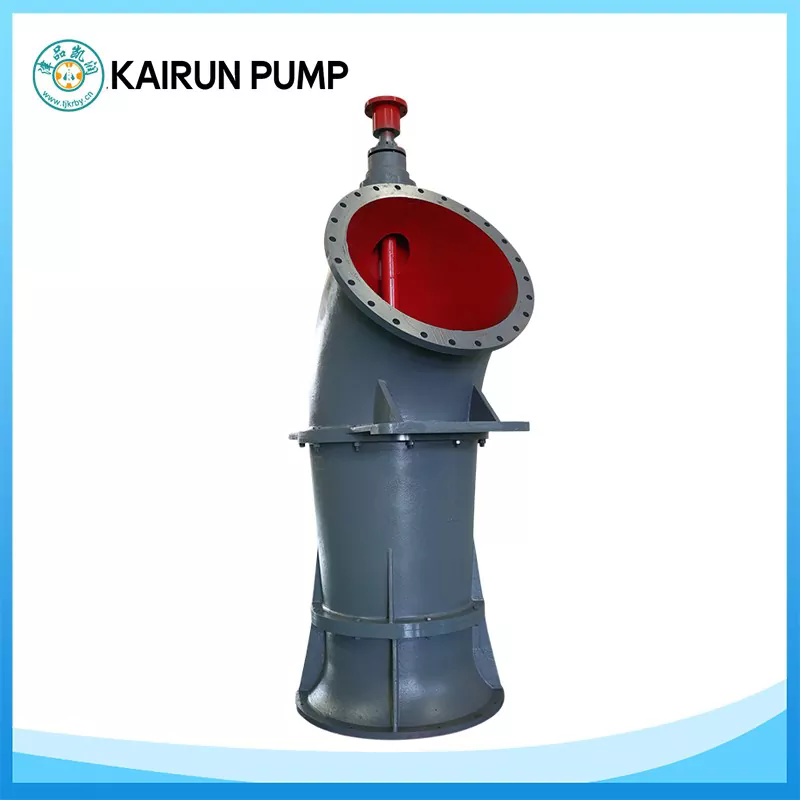
A Vertical Axial Flow Pump is a type of high-capacity water pump that moves liquid parallel to the pump shaft direction. Unlike centrifugal pumps that generate flow through radial movement, axial flow pumps use rotating impellers to create a direct pushing force, allowing them to transport extremely large volumes of water efficiently.
The vertical structure allows the pump unit to be installed in deep water environments such as pumping stations, rivers, reservoirs, and drainage facilities. Because of its compact footprint and excellent hydraulic performance, this pump design has become an important solution for modern water infrastructure projects.
Many industries face challenges such as increasing water demand, strict energy consumption requirements, and the need for continuous operation. A properly designed Vertical Axial Flow Pump helps operators achieve stable performance while reducing operational costs.
|
Feature
|
Description
|
|
Pumping Direction
|
Liquid flows mainly along the axis of the pump shaft
|
|
Flow Capacity
|
Suitable for large-volume water transfer applications
|
|
Installation Method
|
Vertical installation for space-saving and efficient operation
|
|
Main Medium
|
Clean water, river water, drainage water, and industrial water
|
How Does a Vertical Axial Flow Pump Work?
The operating principle of a Vertical Axial Flow Pump is based on the conversion of mechanical energy into hydraulic energy. When the motor drives the shaft, the impeller rotates and transfers energy to the water. The specially designed blades create a lifting force that pushes water upward through the pump column.
The main components usually include a motor, shaft system, impeller, guide vane, pump casing, column pipe, and discharge system. Each component plays an important role in maintaining smooth water movement and improving efficiency.
-
Motor: Provides power to rotate the pump shaft.
-
Shaft Assembly: Transfers rotational energy from the motor to the impeller.
-
Impeller: Creates hydraulic force and increases water velocity.
-
Guide Vanes: Improve flow stability and reduce hydraulic losses.
-
Pump Column: Directs water flow toward the discharge outlet.
The combination of optimized hydraulic design and vertical installation enables axial flow pumps to deliver consistent water transportation performance even under demanding working conditions.
What Problems Can Vertical Axial Flow Pumps Solve?
Industrial users often encounter problems including insufficient pumping capacity, high energy consumption, frequent maintenance requirements, and unstable operation. A Vertical Axial Flow Pump addresses these issues through efficient design and reliable operation.
|
Customer Challenge
|
Vertical Axial Flow Pump Solution
|
|
Large water volume requirements
|
Provides high flow capacity for large-scale water transfer
|
|
Limited installation space
|
Vertical design reduces equipment footprint
|
|
High operating costs
|
Efficient hydraulic performance helps reduce energy consumption
|
|
Continuous operation needs
|
Durable components support long service life
|
For projects involving flood prevention, agricultural irrigation, industrial cooling, or municipal water systems, choosing the correct pump technology directly affects project reliability and operating expenses.
Where Are Vertical Axial Flow Pumps Commonly Used?
Due to their high-flow characteristics, Vertical Axial Flow Pumps are widely used in industries where moving large quantities of water is essential.
-
Agricultural Irrigation: Provides efficient water delivery for farmland irrigation systems.
-
Flood Control: Supports drainage stations during heavy rainfall and emergency water removal.
-
Municipal Water Projects: Used for water supply and environmental management facilities.
-
Industrial Cooling Systems: Helps circulate cooling water for manufacturing operations.
-
Power Generation Facilities: Supports water circulation requirements in energy projects.
-
Water Conservancy Projects: Suitable for rivers, lakes, reservoirs, and pumping stations.
Different industries require different hydraulic parameters. Professional pump manufacturers analyze flow rate, head requirements, installation conditions, and operating environments to provide suitable solutions.
How to Select the Right Vertical Axial Flow Pump?
Selecting the correct pump requires a comprehensive understanding of project requirements. Choosing a model only based on initial cost may lead to poor efficiency or increased maintenance expenses in the future.
|
Selection Factor
|
Why It Matters
|
|
Flow Rate
|
Determines whether the pump can meet water transportation requirements
|
|
Total Head
|
Affects pumping height and system pressure performance
|
|
Water Quality
|
Influences material selection and component durability
|
|
Operating Time
|
Helps determine equipment reliability requirements
|
|
Installation Environment
|
Ensures proper pump structure and configuration
|
Tianjin Kairun Pump Industry Co., Ltd. focuses on providing professional pumping solutions designed according to different application environments. With experience in pump manufacturing and engineering services, the company helps customers achieve reliable water management performance.
How to Maintain a Vertical Axial Flow Pump for Long-Term Performance?
Regular maintenance is essential for maximizing equipment lifespan and preventing unexpected downtime. Although Vertical Axial Flow Pumps are designed for durability, proper inspection and servicing improve reliability.
-
Check vibration levels regularly to identify possible mechanical problems.
-
Inspect bearings and lubrication systems according to operating conditions.
-
Monitor motor performance and electrical connections.
-
Clean water passages to prevent blockage or reduced efficiency.
-
Inspect impeller conditions to maintain hydraulic performance.
A preventive maintenance program helps operators reduce repair costs and maintain stable pumping efficiency throughout the equipment lifecycle.
Vertical Axial Flow Pump vs Other Pump Types
|
Comparison Item
|
Vertical Axial Flow Pump
|
Centrifugal Pump
|
|
Flow Capacity
|
Excellent for very high flow applications
|
Suitable for various flow ranges
|
|
Head Range
|
Best for low to medium head applications
|
Suitable for higher pressure requirements
|
|
Installation Space
|
Requires less surface area
|
May require larger installation space
|
|
Main Advantage
|
High efficiency in large water transfer projects
|
Flexible application range
|
Frequently Asked Questions About Vertical Axial Flow Pumps
What is the main advantage of a Vertical Axial Flow Pump?
The main advantage is its ability to move large volumes of water efficiently while maintaining a compact vertical installation structure. It is especially suitable for applications requiring continuous high-flow operation.
Can a Vertical Axial Flow Pump handle long-term operation?
Yes. When properly selected, installed, and maintained, a high-quality axial flow pump can provide reliable long-term service for demanding industrial and municipal applications.
What industries need Vertical Axial Flow Pumps?
These pumps are commonly used in irrigation, flood control, water conservancy, industrial cooling, municipal engineering, and other large-scale water management projects.
How can customers choose a reliable pump manufacturer?
Customers should evaluate manufacturing experience, technical capability, product quality control, customization ability, and after-sales support before selecting a supplier.
Conclusion
A Vertical Axial Flow Pump is an effective solution for industries that require high-volume water transportation with reliable efficiency. Its advanced hydraulic design, space-saving structure, and stable operating performance make it valuable for modern water management projects.
By selecting a professional manufacturer and choosing the right pump configuration, customers can improve system reliability, reduce operating costs, and achieve better long-term performance. Tianjin Kairun Pump Industry Co., Ltd. provides dependable Vertical Axial Flow Pump solutions designed to meet various industrial and engineering requirements.
Looking for a reliable Vertical Axial Flow Pump solution for your project? Tianjin Kairun Pump Industry Co., Ltd. has the expertise and manufacturing capability to support your water management needs. Please contact us today for professional consultation and customized pumping solutions.