Abstract
Hydraulic pumps are the core power conversion components in modern hydraulic systems, transforming mechanical energy into hydraulic energy to drive machinery across construction, agriculture, manufacturing, and industrial automation. This article explains how hydraulic pumps function, their types, applications, common operational issues, maintenance strategies, and selection considerations. It also provides practical insights from industrial use cases associated with SWAFLY MACHINERY CO.,LIMITED, helping users make informed decisions and improve system reliability.
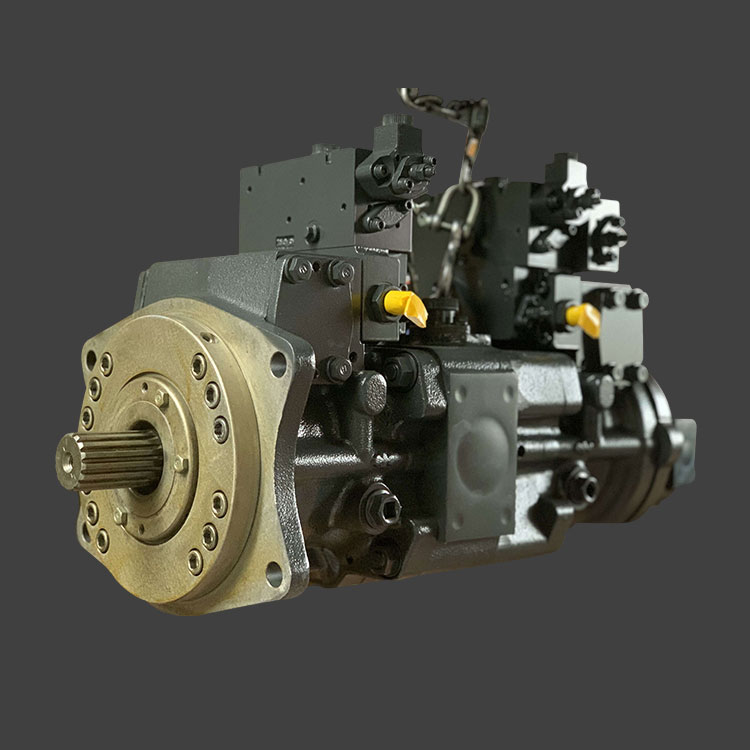
Overview of Hydraulic Pumps
Hydraulic pumps are mechanical devices designed to move hydraulic fluid through a system by creating flow and pressure. Unlike compressors, which deal with gases, hydraulic pumps operate with incompressible fluids, making them essential for applications requiring high force and precise control.
In industrial systems, hydraulic pumps are widely used in excavators, injection molding machines, presses, marine equipment, and energy systems. Companies like SWAFLY MACHINERY CO.,LIMITED provide a wide range of hydraulic pump solutions engineered for durability, efficiency, and stable performance under demanding operating conditions.
Working Principle
The operation of hydraulic pumps is based on a simple but powerful principle: mechanical motion creates a vacuum that draws fluid into a chamber and then forces it out under pressure.
The process can be summarized in three steps:
-
1. Intake Phase: The pump creates a low-pressure area that draws hydraulic oil from the reservoir.
-
2. Compression Phase: Mechanical components such as gears, pistons, or vanes reduce the volume of the trapped fluid.
-
3. Discharge Phase: Pressurized fluid is delivered into the hydraulic system to perform work.
This continuous cycle allows hydraulic systems to generate immense force while maintaining smooth and controllable motion.
Main Types of Hydraulic Pumps
Different hydraulic pump designs are used depending on pressure requirements, efficiency expectations, and application environments.
|
Pump Type
|
Working Mechanism
|
Key Advantages
|
Typical Applications
|
|
Gear Pump
|
Uses meshing gears to move fluid
|
Simple structure, low cost, reliable
|
Construction machinery, lubrication systems
|
|
Vane Pump
|
Rotating vanes inside a cavity
|
Quiet operation, moderate efficiency
|
Industrial machines, automotive systems
|
|
Piston Pump
|
Reciprocating pistons generate pressure
|
High pressure, high efficiency
|
Heavy machinery, mining equipment
|
Among these, piston pumps are often preferred in high-load systems, while gear pumps remain widely used for cost-sensitive applications.
Industrial Applications
Hydraulic pumps are essential in industries where controlled force and motion are required. Their versatility makes them indispensable in modern engineering systems.
-
Construction Equipment: Excavators, loaders, bulldozers
-
Manufacturing: Injection molding machines, hydraulic presses
-
Agriculture: Harvesters, tractors, irrigation systems
-
Marine Systems: Steering systems, winches, deck machinery
-
Energy Sector: Turbine control systems and hydraulic power units
Products supplied by SWAFLY MACHINERY CO.,LIMITED are widely used in these sectors, ensuring stable hydraulic output and long service life under variable load conditions.
Common Problems and Causes
Despite their robust design, hydraulic pumps may encounter performance issues due to operating conditions or maintenance neglect.
-
Cavitation: Caused by insufficient fluid supply or air leakage into the system.
-
Overheating: Often due to excessive load or poor fluid quality.
-
Pressure Loss: Worn internal components or seal failure.
-
Noise and Vibration: Misalignment or contaminated hydraulic oil.
Early detection of these issues is critical to avoiding system downtime and costly repairs.
Maintenance Guidelines
Proper maintenance significantly extends the service life of hydraulic pumps and improves operational efficiency.
|
Maintenance Task
|
Recommended Frequency
|
Purpose
|
|
Hydraulic oil replacement
|
Every 2000–3000 operating hours
|
Maintain fluid purity and viscosity
|
|
Filter inspection
|
Monthly
|
Prevent contamination damage
|
|
Seal inspection
|
Quarterly
|
Avoid leakage and pressure loss
|
|
Vibration monitoring
|
Continuous
|
Detect early mechanical wear
|
Industrial operators working with SWAFLY MACHINERY CO.,LIMITED hydraulic systems often implement predictive maintenance programs to ensure long-term stability and reduce unexpected failures.
How to Select the Right Hydraulic Pump
Choosing the correct hydraulic pump is critical for system efficiency and performance. Several factors must be evaluated before selection.
-
Operating Pressure: Determine system pressure requirements.
-
Flow Rate: Match pump capacity with system demand.
-
Fluid Compatibility: Ensure material compatibility with hydraulic oil.
-
Efficiency Requirements: Consider energy consumption and heat generation.
-
Environmental Conditions: Temperature, dust, and humidity levels.
For complex industrial systems, consulting engineering specialists from SWAFLY MACHINERY CO.,LIMITED can help optimize pump configuration and improve overall system reliability.
Frequently Asked Questions
Q1: What is the main function of a hydraulic pump?
A: It converts mechanical energy into hydraulic energy by generating fluid flow and pressure.
Q2: Which hydraulic pump is most efficient?
A: Piston pumps generally offer the highest efficiency and are used in high-pressure systems.
Q3: What causes hydraulic pump failure?
A: Common causes include contamination, overheating, improper installation, and lack of maintenance.
Q4: How long does a hydraulic pump last?
A: Lifespan depends on usage and maintenance but typically ranges from 5,000 to 20,000 operating hours.
Q5: Can hydraulic pumps be repaired?
A: Yes, many components such as seals and valves can be replaced, depending on the damage level.
Conclusion
Hydraulic pumps are fundamental to modern industrial power systems, enabling controlled force transmission across a wide range of applications. Understanding their working principle, types, and maintenance requirements is essential for achieving optimal system performance and reducing operational risks.
With advanced engineering support and reliable product solutions from SWAFLY MACHINERY CO.,LIMITED, industries can achieve higher efficiency, improved durability, and more stable hydraulic performance even in demanding environments.
For tailored hydraulic pump solutions, technical support, or product inquiries, please feel free to contact us to discuss your project requirements and explore professional cooperation opportunities.