

What Are the Key Benefits of Using a Plastic Submersible Pump
2026-03-19
When it comes to managing water accumulation in construction sites, residential basements, or agricultural fields, choosing the right equipment is critical. The Plastic Dirty Water Submersible Pump has emerged as a preferred solution for professionals seeking reliability and efficiency. At SINYOA, we specialize in manufacturing high-performance pumps that meet the demands of challenging environments. Understanding the advantages of these pumps helps you make informed decisions for your projects.
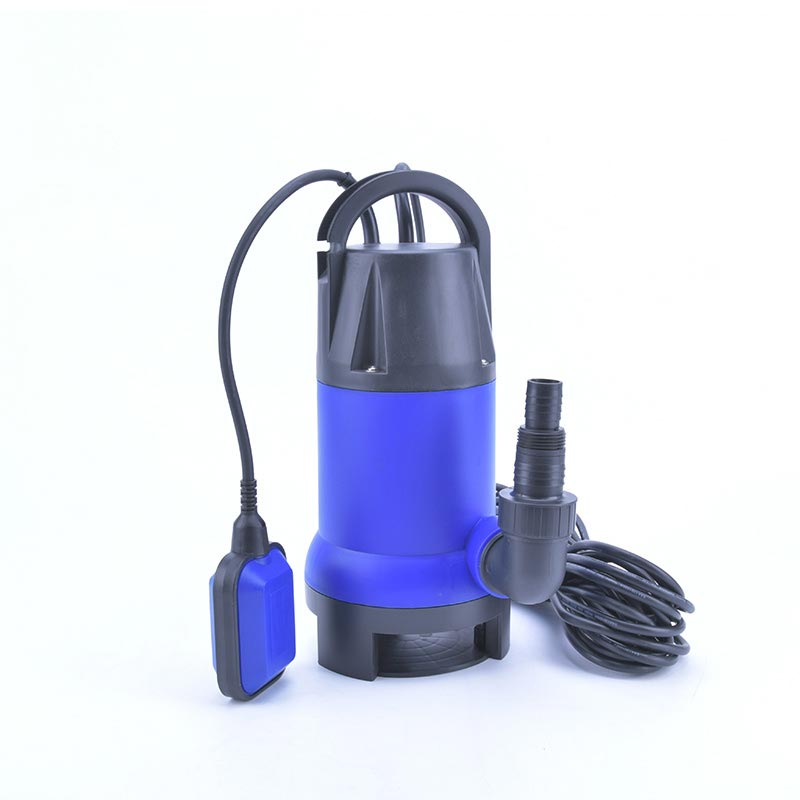
Why Choose a Plastic Submersible Pump
Durability and Corrosion Resistance
Unlike metal pumps that rust over time, plastic submersible pumps offer superior resistance to corrosive elements. The engineering-grade thermoplastics used in SINYOA pumps withstand exposure to chemicals, saltwater, and acidic substances commonly found in dirty water applications. This durability translates to longer service life and reduced replacement costs.
Lightweight Design for Easy Portability
Plastic Dirty Water Submersible Pump units weigh significantly less than their metal counterparts. A typical SINYOA plastic pump weighs 40-60% less than a comparable cast iron model, making installation and relocation effortless. This portability proves invaluable when moving equipment between job sites or adjusting positions during flooding events.
Cost-Effectiveness Without Compromising Performance
| Feature | Plastic Pump | Metal Pump |
|---|---|---|
| Initial Cost | Lower | Higher |
| Maintenance Frequency | Low | Moderate to High |
| Lifespan in Harsh Conditions | 8-10 years | 3-5 years |
| Energy Efficiency | Excellent | Good |
| Replacement Parts Cost | Affordable | Expensive |
The table above clearly demonstrates why SINYOA plastic pumps deliver exceptional value over time.
Performance Capabilities
Handling Solids and Debris
Modern Plastic Dirty Water Submersible Pump designs incorporate innovative impeller technology that handles solids up to specific diameters without clogging. SINYOA pumps feature vortex impellers that create turbulent flow, allowing suspended particles to pass through while maintaining consistent discharge rates.
Thermal Protection and Motor Efficiency
Built-in thermal overload switches prevent motor burnout during extended operation. The plastic housing acts as a natural insulator, maintaining optimal operating temperatures and reducing energy consumption by up to 15% compared to metal alternatives.
Frequently Asked Questions
How does a Plastic Dirty Water Submersible Pump handle abrasive materials like sand and gravel?
The engineering thermoplastics used in SINYOA pumps possess natural lubricity that reduces friction when handling abrasive particles. Unlike metal pumps that experience wear and erosion from sand, plastic components allow particles to flow smoothly through the system. The hardness rating of these specialized plastics actually exceeds that of some metals, providing exceptional resistance to abrasion. Additionally, the smooth interior surfaces prevent material buildup that could lead to clogging. For applications with high concentrations of abrasive solids, SINYOA offers pumps with reinforced wear plates that extend service intervals dramatically.
What maintenance procedures are required for long-term reliability of plastic submersible pumps?
SINYOA recommends a straightforward maintenance schedule that begins with regular visual inspections of the power cable and strainer base. After each use, especially when pumping dirty water, operators should flush the pump with clean water to remove residual debris. The plastic housing never requires painting or rust treatment, eliminating a major maintenance burden. Every three months, users should check the oil chamber for contamination and verify that all seals remain intact. The non-stick properties of the plastic impeller mean less frequent cleaning compared to metal pumps. With proper care, a SINYOA Plastic Dirty Water Submersible Pump operates reliably for years without major service interventions.
Can plastic submersible pumps operate continuously in high-temperature water applications?
Yes, SINYOA engineers specifically select thermoplastics with high heat deflection temperatures for continuous duty applications. The materials maintain structural integrity even when pumping water temperatures up to 104°F (40°C) continuously, with short-term tolerance to 140°F (60°C). The excellent thermal conductivity of the specialized plastic compounds helps dissipate motor heat efficiently. Each SINYOA pump undergoes rigorous testing to verify performance across the entire temperature spectrum. For applications involving hot water, the built-in thermal sensors automatically shut down operation before reaching critical temperatures, protecting your investment.
Versatility Across Applications
SINYOA Plastic Dirty Water Submersible Pump units excel in diverse scenarios:
-
Construction site dewatering
-
Flooded basement emergency response
-
Agricultural field drainage
-
Industrial wastewater transfer
-
Quarry and mining operations
-
Municipal stormwater management
Environmental Benefits
Choosing plastic pumps supports sustainability initiatives. SINYOA uses 100% recyclable materials in manufacturing, and the extended service life means fewer units end up in landfills. The energy efficiency also reduces carbon footprint during operation.
Quality Assurance and Standards
Every SINYOA pump meets or exceeds international standards for safety and performance. Our manufacturing facilities maintain ISO 9001 certification, and each Plastic Dirty Water Submersible Pump undergoes comprehensive testing before shipment. Third-party certifications verify compliance with CE, UL, and CSA requirements for global applications.
Contact Us Today
Ready to experience the reliability and performance of SINYOA Plastic Dirty Water Submersible Pump solutions for your next project? Our technical team stands ready to help you select the perfect pump configuration for your specific requirements. Contact us now for detailed specifications, pricing information, or to arrange a product demonstration. Partner with SINYOA for pumping solutions that deliver results.