

What Factors Affect the Torque Output of a Hydrostatic Winch Reducer
2026-01-23
The Hydrostatic Winch Reducer is the heart of countless heavy-duty marine, offshore, and industrial lifting systems. Its ability to deliver immense, controlled pulling power is unmatched. However, achieving the precise torque required for your specific application isn't automatic. Understanding the key factors that influence this critical output is essential for optimal system design and performance. At Xinhong, we leverage decades of engineering expertise to help clients navigate these variables for reliable and efficient operations.
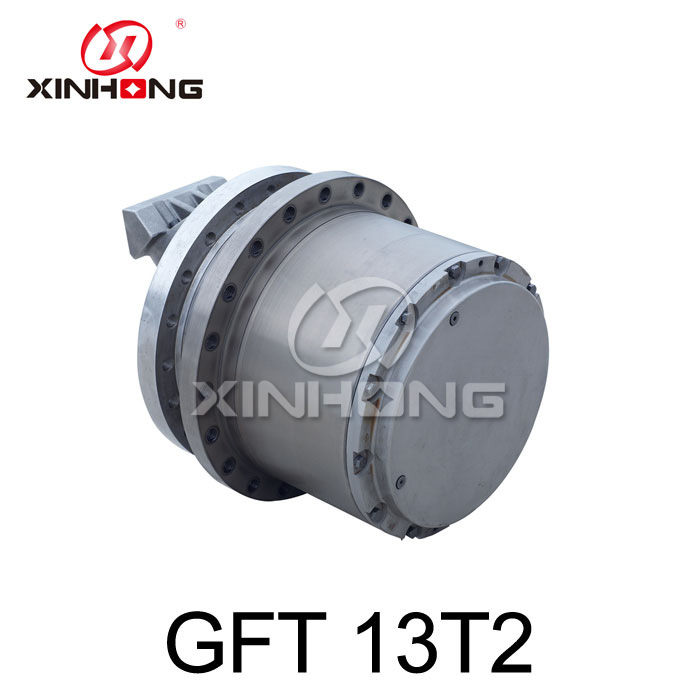
Several core elements directly determine the torque delivered by a Hydrostatic Winch Reducer:
-
System Pressure: This is the primary driver. Torque output is directly proportional to the hydraulic system pressure. Higher pressure within the system translates directly to higher torque at the reducer's output shaft.
-
Motor Displacement: The physical size of the hydraulic motor within the reducer, measured in cc/rev. A larger displacement motor will generate more torque at the same input pressure.
-
Reduction Gear Ratio: The hydrostatic winch reducer combines hydraulic power with mechanical gearing. The final gear ratio multiplies the motor's output torque. A higher gear ratio yields higher final torque but at a lower output speed.
-
Hydraulic Flow Rate: While pressure dictates torque, flow rate determines the winch's operational speed. Adequate flow is necessary to achieve the desired torque without stalling the system.
-
Mechanical and Volumetric Efficiency: No system is 100% efficient. Internal friction, gear meshing losses, and hydraulic fluid leakage reduce the theoretical torque. High-quality components, like those used in Xinhong reducers, minimize these losses.
The interaction between pressure and motor displacement is fundamental. Consider the following relationship:
| Factor | Direct Impact on Torque | Practical Consideration |
|---|---|---|
| System Pressure | Proportional Increase | Limited by component (pump, hose, motor) pressure ratings. |
| Motor Displacement | Proportional Increase | Larger motors increase torque but may require higher flow. |
| Gear Ratio | Multiplicative Increase | Higher ratios increase torque but reduce line speed. |
Hydrostatic Winch Reducer FAQ
Q: Can I increase the torque of my existing hydrostatic winch system?
A: Yes, but within limits. The safest method is to increase system pressure, but ONLY if all components (pump, valves, hoses, the reducer itself) are rated for the higher pressure. Alternatively, replacing the motor with a higher displacement model or changing the gear set for a higher ratio within the Xinhong reducer can yield more torque.
Q: Why is my winch not delivering the expected torque even at full pressure?
A: Likely causes are efficiency losses or system issues. Internal wear in the motor or gears increases mechanical loss. Low hydraulic fluid viscosity or worn seals cause volumetric losses (internal leakage). Also, check for restrictions in the hydraulic lines or a failing pump that cannot sustain the required pressure under load.
Q: How does torque output relate to winch line pull?
A: Final line pull is a function of the hydrostatic winch reducer's output torque and the winch drum's working radius. The same torque applied to a smaller drum radius results in a higher line pull. The formula is: Line Pull = (Output Torque) / (Drum Radius).
Selecting and maintaining the correct Hydrostatic Winch Reducer is critical for safety and productivity. By mastering the factors of pressure, displacement, and gearing, you ensure your equipment performs to its specification. For engineers and project managers, partnering with an expert who understands these intricacies is key.
Contact us at Xinhong today. Our technical team is ready to analyze your application requirements and recommend the optimal hydrostatic winch reducer solution for maximizing your system's torque and reliability.