

What Flow Rate Do I Need for a Submersible Seawater Pump for Vessel Fire-Fighting Systems
2026-09-03
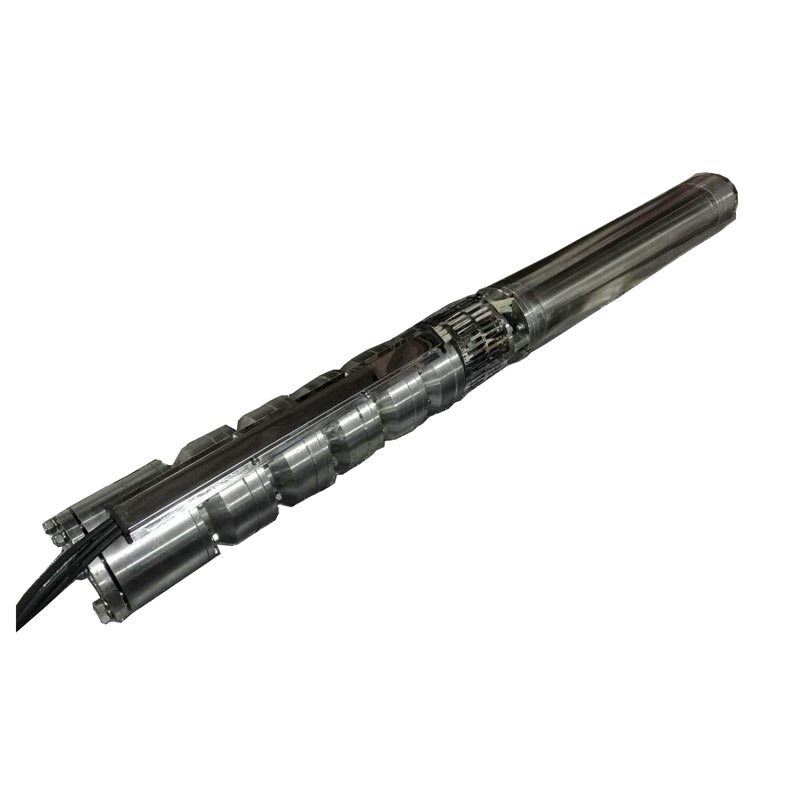
Selecting the correct capacity for a Submersible Seawater Pump for Vessel is one of the most critical decisions in marine fire safety engineering. Unlike freshwater systems, seawater pumps must overcome higher density, corrosion risks, and variable suction conditions. For vessel operators and naval architects, the flow rate question is not about guesswork—it is about regulatory compliance, system reliability, and crew survival. This guide breaks down the hydraulic calculations, classification rules, and practical sizing strategies for fire-fighting applications, with proven solutions from AOTE marine pumping technology.
Regulatory Baseline: Minimum Flow Requirements
International maritime regulations set the foundation. According to SOLAS Chapter II-2 and IMO FSS Code, each fire pump on a cargo vessel must deliver at least 25 m³/h (110 GPM) at the designed pressure. However, this is only the absolute minimum. For tankers, offshore support vessels, or passenger ships, the required Submersible Seawater Pump for Vessel capacity often doubles or triples based on the ship’s gross tonnage and fire zone segmentation.
| Vessel Type | Minimum Flow (m³/h) | Pressure at Hydrant (bar) | Typical AOTE Model Reference |
|---|---|---|---|
| Cargo < 500 GT | 25 | 3.5 | AOTE-SF25 |
| Cargo > 500 GT | 60–80 | 4.0–5.0 | AOTE-SF80 |
| Tanker (Oil/Chemical) | 100–150 | 5.5–6.5 | AOTE-SF150 |
| Passenger / Ro-Ro | 120–200 | 6.0–7.0 | AOTE-SF200V |
| Offshore Support | 150–250 | 7.0+ | AOTE-SF250H |
Note: These values are design benchmarks. Final selection must consider simultaneous hose operations (typically 2–4 jets) and friction losses in the discharge piping.
Key Factors That Determine Your Actual Flow Need
1. Number of Simultaneous Fire Hoses
Each fire hose nozzle (19 mm or 22 mm diameter) consumes approximately 20–30 m³/h at 4 bar nozzle pressure. If your vessel’s fire plan requires four hoses operating concurrently, your Submersible Seawater Pump for Vessel must deliver no less than 80–120 m³/h at the pump discharge, not at the hydrant—because piping losses reduce available flow.
2. Total Dynamic Head (TDH)
Flow rate is inversely related to head. A pump rated at 100 m³/h at zero head may drop to 65 m³/h at 60 m TDH. For fire-fighting, you must calculate:
-
Static lift (from sea level to pump inlet)
-
Friction losses (pipe length, elbows, valves)
-
Required nozzle pressure (typically 40–60 m head equivalent)
AOTE provides customized performance curves for each Submersible Seawater Pump for Vessel, allowing you to match flow and head precisely rather than relying on nameplate averages.
3. Seawater Temperature and Salinity
Warmer seawater (tropical zones above 30°C) reduces pump efficiency by 2–4% due to lower density and increased vapor pressure risk. High salinity (above 35 ppt) accelerates impeller wear. For such conditions, AOTE recommends oversizing the pump by 10–15% and selecting duplex stainless steel or super-duplex materials to maintain duty flow over the pump’s lifecycle.
Practical Sizing Formula (Simplified)
A quick estimation method used by AOTE marine engineers:
Required Flow (m³/h) = (N × Q_hose) + Safety Margin (15%)
Where:
-
N = maximum number of hoses in simultaneous operation
-
Q_hose = flow per hose (typically 25 m³/h for 19 mm nozzle at 4 bar)
-
Safety margin covers fouling, voltage drops, and filter clogging
Example: For a vessel with 3 hose stations operating together → 3 × 25 = 75 m³/h + 15% = 86.25 m³/h. Select the nearest AOTE model with a nominal rating of 90 m³/h at the required head.
Common Mistakes to Avoid
-
Under-sizing based on average load – Fire pumps must perform at peak demand, not typical cruising conditions.
-
Ignoring NPSH (Net Positive Suction Head) – A poorly positioned Submersible Seawater Pump for Vessel can cavitate at high flow, reducing output by over 30%.
-
Using freshwater curves – Seawater is 2.5–3% denser; power consumption increases accordingly. Always use seawater-specific performance data from AOTE technical documentation.
FAQ – Submersible Seawater Pump for Vessel Fire Systems
Q1: Can I use the same Submersible Seawater Pump for Vessel for both fire-fighting and general service duties?
A1: Technically yes, but it is strongly discouraged. Fire-fighting requires a dedicated pump with independent power supply and suction from the sea chest, as per SOLAS regulations. A combined pump must meet the highest flow requirement (fire duty) and include a pressure-relief bypass to prevent over-pressurizing service lines. AOTE offers dual-duty models with automated changeover valves, but we always recommend a separate fire pump to ensure redundancy. If you must combine, size the Submersible Seawater Pump for Vessel for fire flow first, then use throttle control for service mode—never the reverse, as service loads are lower and will not damage the pump, but fire loads are non-negotiable.
Q2: How do I verify if my chosen Submersible Seawater Pump for Vessel delivers the rated flow after installation?
A2: Onboard verification requires a portable ultrasonic flow meter clamped to the discharge pipe, or a permanently installed electromagnetic flowmeter. Run the pump at full speed with all fire hydrants closed, then open the required number of hoses and measure flow at each nozzle simultaneously. Compare this to the pump’s factory curve at the observed discharge pressure. A deviation of more than ±5% indicates either suction blockage, impeller wear, or incorrect motor speed (frequency mismatch). AOTE includes a factory test report with every Submersible Seawater Pump for Vessel, documenting flow at 5 head points. We recommend repeating this test during annual safety drills and sending the data to our service team for trending analysis.
Q3: What flow rate margin should I add for future fire-fighting system upgrades or additional deck hydrants?
A3: AOTE engineering practice advises a minimum 20% future-proof margin above current calculated demand. If your current fire plan requires 80 m³/h, select a pump rated for at least 96 m³/h at the same head. This covers:
-
Additional hydrants added during refits
-
Increased nozzle sizes (from 19 mm to 22 mm) which raise flow by ~15%
-
Performance degradation over 5–7 years due to impeller erosion in sandy seawater
-
Stricter future regulations (some flag states now mandate 30% reserve capacity)
Oversizing beyond 25%, however, wastes energy and may cause overheating at low-flow conditions. AOTE can supply variable-frequency drives (VFDs) to run an oversized Submersible Seawater Pump for Vessel efficiently across a wide flow range, giving you both flexibility and economy.
Final Recommendation from AOTE
For most oceangoing vessels, a Submersible Seawater Pump for Vessel rated at 1.5× the theoretical hose demand, with a material grade of 316L or duplex stainless steel, offers the best balance of safety, durability, and operating cost. Always request a full hydraulic analysis from the manufacturer—not just a catalogue selection.
Contact us today for a customized flow calculation sheet and performance simulation for your vessel’s fire-fighting system. AOTE engineers are available 24/7 to review your general arrangement drawings and deliver a pump selection that meets both SOLAS requirements and your operational budget. Reach out via our marine support portal or email your vessel specifications to our technical team—we will respond within 4 business hours with a detailed proposal and 3D installation layout. Your crew’s safety starts with the right flow, and we are here to make sure you get it right.