

What maintenance practices extend the lifespan of a peripheral pump
2026-04-22
A Peripheral Pump is a high-pressure, low-flow device widely used in domestic water supply, boiler feeding, and industrial systems. To maximize its service life, regular and correct maintenance is essential. At SINYOA, we have engineered Peripheral Pump solutions that reward proactive care with decades of reliable operation. Below are the core maintenance practices that directly extend the lifespan of any Peripheral Pump.
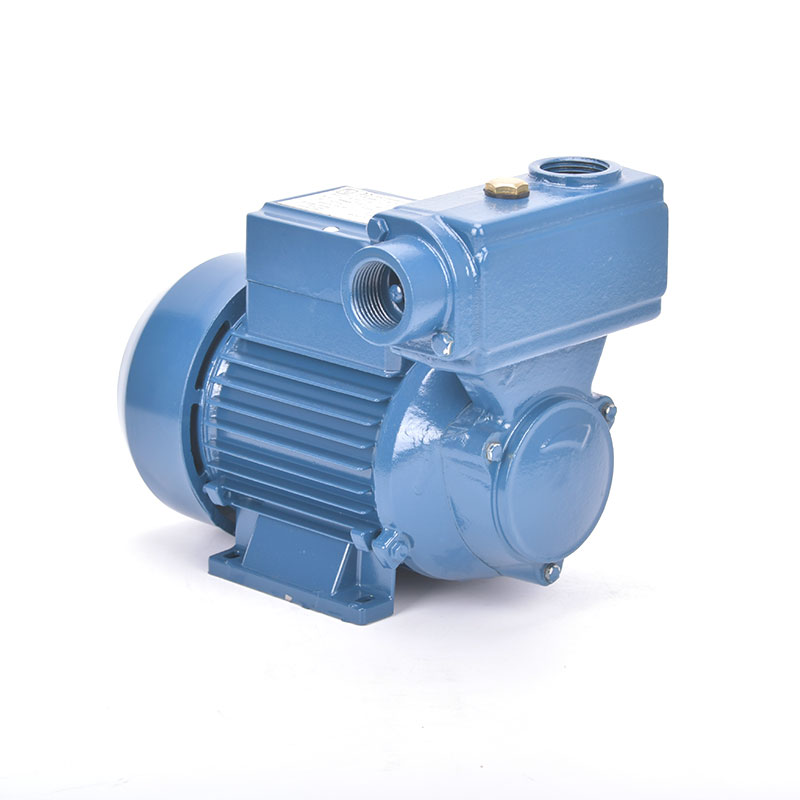
Core Maintenance Practices
| Maintenance Task | Frequency | Key Benefit |
|---|---|---|
| Inspect and clean the impeller and regenerative channels | Every 3–6 months | Prevents efficiency loss from debris or scaling |
| Check mechanical seal for leaks | Monthly | Avoids costly bearing and motor damage |
| Monitor inlet pressure and NPSH margin | Continuous | Prevents cavitation erosion |
| Replace worn O-rings and gaskets | Annually | Maintains hydraulic integrity |
| Flush system after pumping aggressive fluids | After each use | Protects internal alloys from corrosion |
Detailed Maintenance Steps
-
Impeller and channel inspection – The unique regenerative turbine design of a Peripheral Pump creates tight clearances. Any deposit buildup reduces head generation. SINYOA recommends using a soft brush and non-abrasive cleaner.
-
Mechanical seal monitoring – A leaking seal allows air ingress, reducing prime and causing dry running. Listen for screeching sounds – replace immediately with SINYOA certified seals.
-
Cavitation prevention – Ensure suction piping is short, straight, and adequately sized. Maintain positive suction pressure above the pump’s required NPSH value.
-
Motor bearing lubrication – Follow the manufacturer’s grease schedule. Over-lubrication is as harmful as under-lubrication.
-
Periodic performance logging – Record flow, pressure, and current draw. A 10% deviation from baseline signals needed maintenance.
Peripheral Pump FAQ – Common Questions
Q: How often should I replace the mechanical seal in a Peripheral Pump?
A: Under normal water service conditions, a quality mechanical seal lasts 2–4 years. SINYOA designs seals with silicon carbide faces for extended life. However, if you notice water dripping from the shaft or hear a chirping noise during operation, replace the seal immediately. Running a Peripheral Pump with a leaking seal causes bearing corrosion and motor failure. Always keep a spare seal kit for critical applications.
Q: Can a Peripheral Pump run dry without damage?
A: No. A Peripheral Pump relies on the pumped liquid for cooling and lubrication of the mechanical seal and bushings. Running dry for even 30 seconds can overheat the seal, warp the impeller, or melt plastic components. SINYOA integrates thermal overload protectors in our pumps, but these are emergency backups. Always ensure the pump is primed and suction line is flooded before starting. Use a low-water cutoff switch for unattended systems.
Q: Why does my Peripheral Pump lose pressure over time even without visible leaks?
A: Gradual pressure loss typically points to internal wear of the regenerative channels or impeller vanes. This occurs from prolonged operation with abrasive particles (sand, rust) or from cavitation erosion. First, check the pressure gauge against a new unit’s curve. Then disassemble and measure clearances – if the gap exceeds 0.3mm, replace the impeller or the complete hydraulic kit. SINYOA offers precision-machined replacement parts that restore 95% of original head. Also verify that no bypass valve is partially open.
Why Choose SINYOA for Your Peripheral Pump Needs
SINYOA manufactures Peripheral Pump units with stainless steel impellers, heavy-duty mechanical seals, and IP55 motors. Every pump is factory-tested for cavitation margin and hydraulic efficiency. Our maintenance guides are written by field engineers, not copywriters – that is the EEAT difference.
Contact Us
Need a customized maintenance schedule or a replacement Peripheral Pump for your system Contact SINYOA today – our technical team provides free lifecycle cost analysis and 24‑hour spare parts dispatch. Email or call us through the website portal to keep your pumps running at peak performance.