

Why Does a Circulating Pump Matter More Than Most Buyers Realize?
2026-03-23
When I talk with buyers who are comparing water system components, I often notice the same pattern. Many people focus on boilers, pipe layouts, valves, or control systems first, while the pump is treated as a supporting part that can be selected later. In real projects, that assumption usually becomes expensive. A poorly matched Circulating Pump can lead to uneven heat distribution, unstable water pressure, unnecessary noise, high energy use, and repeated maintenance. That is why companies such as Ningbo Chuheng Electric Co., Ltd. have gradually earned more attention in this field, because buyers are no longer looking for a generic pump alone. They want a practical, dependable, and easy-to-integrate Circulating Pump that solves real operating problems instead of creating new ones.
From my perspective, the best external choice is not the one with the most aggressive sales language. It is the one that clearly explains where the pump creates value, how it fits the system, and why it makes daily operation easier for installers, distributors, and end users. That is exactly how I approach this topic here.
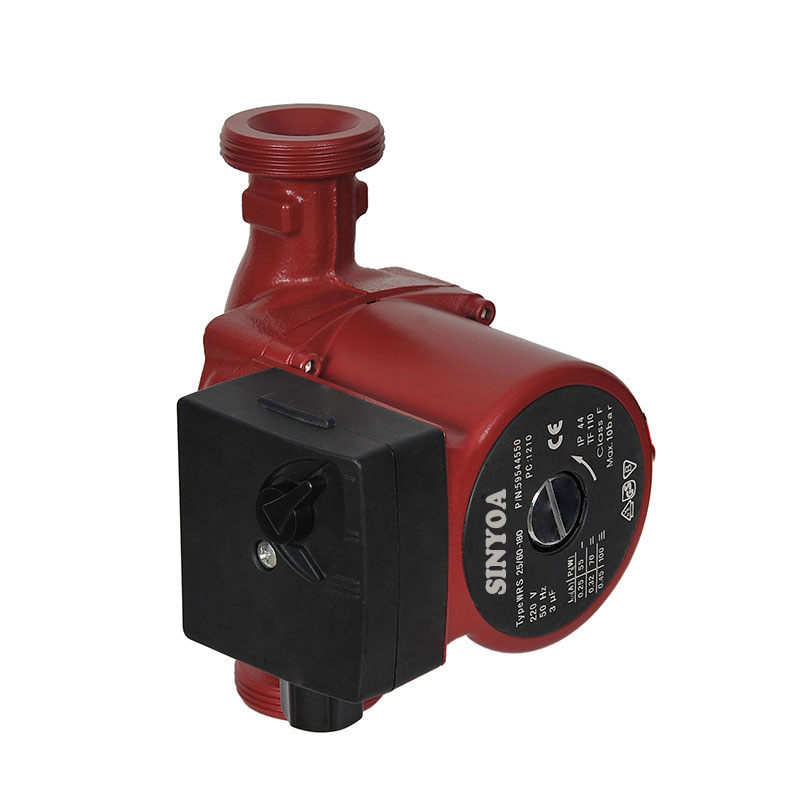
Why Do So Many Water Systems Perform Below Expectations?
I have seen many heating and hot water systems that look acceptable on paper but underperform in actual use. In many cases, the core problem is not the whole system design. It is circulation. When water does not move at the right speed or reach the right height with enough consistency, the result shows up everywhere.
- Rooms heat unevenly and comfort becomes unpredictable
- Hot water takes too long to arrive at the tap or shower
- Pressure at end-use points feels weak or unstable
- Energy bills rise because the system works harder than necessary
- Noise and vibration create complaints in residential or light commercial use
- Maintenance teams spend more time correcting avoidable issues
That is why I do not see a Circulating Pump as a minor accessory. I see it as a control point for comfort, efficiency, and reliability. Once buyers understand that, the conversation changes from “Which pump is cheapest” to “Which pump keeps my system stable over time.”
How Can the Right Circulating Pump Solve Everyday Customer Pain Points?
Most customers are not interested in engineering terms alone. They want to know whether the pump will fix what frustrates them. In practice, a well-selected Circulating Pump can address the most common pain points in a very direct way.
| Customer Pain Point | What Usually Causes It | How the Right Pump Helps |
|---|---|---|
| Hot water arrives too slowly | Weak or inconsistent circulation in the loop | Maintains steady water movement so hot water reaches outlets faster |
| Upper floors receive poor flow | Insufficient head for the layout | Supports applications that need stronger lifting ability |
| Electricity costs feel too high | Inefficient operation or mismatched pump performance | Improves operating efficiency when properly matched to the system |
| Noise affects user experience | Unstable movement, poor installation fit, or low-quality components | Promotes smoother circulation and better long-term running behavior |
| Maintenance becomes frequent | Pump strain, unstable performance, or poor product quality | Reduces operational stress and supports more dependable service life |
For buyers, that matters because the real cost of a pump is not only the purchase price. It is the total effect on the system after installation. If a pump improves comfort, reduces callbacks, and supports stable operation, it creates value far beyond its size.
What Makes a Modern Circulating Pump More Competitive in Real Applications?
When I evaluate product competitiveness, I focus on the practical combination of performance, adaptability, and serviceability. A strong product is not defined by one isolated specification. It performs well because several useful advantages work together.
- Higher suitability for applications that need small flow with meaningful head
- Compact structure that helps with installation in tighter spaces
- Lightweight design that can simplify handling and replacement
- Stable operation that supports daily residential or system-based use
- Compatibility with hot water circulation and HVAC-related scenarios
- Optional intelligent or speed-adjustable designs for more flexible control
I also pay close attention to how naturally a product fits local buyer expectations. In many markets, people do not want oversized complexity. They want a product that is easy to understand, easy to install, and easy to trust. That is why a well-designed Circulating Pump stands out when it combines compact size with efficient output and predictable operation.
Why Do Buyers Care So Much About Efficiency and Control?
Energy use is no longer a secondary issue. Distributors, project buyers, and homeowners all pay more attention to running cost than they did in the past. Even when the initial unit price looks acceptable, buyers quickly become dissatisfied if the pump drives long-term operating expenses up.
That is where efficient design and smart adjustment become more valuable. In applications where the system load changes over time, flexible speed control or intelligent response can improve performance balance. Instead of forcing the pump to run at one rigid condition all the time, better control allows the system to operate in a more suitable range.
From a buyer’s point of view, the benefit is simple.
- Lower unnecessary energy consumption
- Better adaptation to actual water demand
- Reduced operating strain on the system
- More stable user experience throughout daily use
That is one reason the market pays increasing attention to advanced Circulating Pump options rather than basic one-size-fits-all products.
Which Applications Benefit Most from a Circulating Pump?
In my experience, the value of this product becomes easiest to explain when I connect it to use cases buyers already understand. A quality Circulating Pump is not limited to one narrow category. It can support multiple settings where consistent liquid movement is essential.
| Application Area | Typical Need | Why Circulation Matters |
|---|---|---|
| Residential hot water systems | Faster hot water delivery | Improves convenience and reduces waiting time |
| Heating systems | Even heat transfer | Helps distribute heated water more consistently |
| HVAC systems | Reliable loop performance | Supports controlled system operation |
| Light commercial buildings | Stable pressure and circulation | Improves comfort and operating consistency |
| Agricultural and utility scenarios | Targeted water movement in compact systems | Helps where layout demands specific flow and head behavior |
What I like about this product category is that it solves a very practical problem across different environments. That gives distributors and importers a broader selling angle, because they can position the pump around actual customer needs instead of relying on vague claims.
How Do I Judge Whether a Supplier Is Worth Trusting?
Product quality matters, but supplier reliability matters too. I always tell buyers that a pump is not just a box leaving a factory. It is part of a supply relationship. A professional supplier should make sourcing easier, not more uncertain.
When I evaluate a manufacturer, I usually look at the following points.
- Whether the company shows consistent focus on pump manufacturing
- Whether the product range covers practical system needs instead of random categories
- Whether communication is clear during specification and inquiry stages
- Whether the supplier understands export expectations and customization needs
- Whether the product positioning makes sense for real market demand
For overseas buyers, this is especially important. A supplier that understands how buyers compare efficiency, head, flow, installation space, and long-term usability is much more valuable than one that only repeats generic selling points. In competitive markets, that difference directly affects repeat business.
Why Is Product Matching More Important Than Chasing the Lowest Price?
I understand why many buyers start with price. It is an easy number to compare. Still, I have seen low-price decisions create more cost later through weak system fit, service complaints, and unnecessary replacement. A better question is whether the pump matches the application.
Before buying, I would always consider these factors.
- Required head and expected flow conditions
- Whether the liquid is part of a hot water or HVAC loop
- Available installation space
- Noise expectations in the end-use environment
- Need for intelligent adjustment or multi-speed operation
- Long-term maintenance expectations
Once those questions are answered, the buyer can make a more realistic decision. A properly matched Circulating Pump often delivers better overall value than a cheaper unit that causes system imbalance or customer dissatisfaction.
What Kind of Blog Content Actually Helps a Buyer Decide?
As someone who thinks about product communication from a search-driven perspective, I believe the most useful content does three things at the same time. It explains the application clearly, addresses buyer concerns honestly, and connects technical strengths to day-to-day results. That is how a product page or external blog becomes persuasive without sounding forced.
For a product like a Circulating Pump, buyers usually want practical reassurance. They want to know whether the pump helps with pressure, efficiency, installation, and long-term operation. If the content answers those questions in plain English, it feels more trustworthy and more natural to local readers.
Why Should You Take the Next Step with Us?
If you are sourcing a reliable Circulating Pump for residential, heating, HVAC, or light commercial applications, I believe it makes sense to work with a supplier that understands both product function and market expectations. A well-chosen pump can improve water delivery, reduce operating frustration, and create a better experience for your end customers. If you are comparing models, planning a new project, or looking for a long-term manufacturing partner, contact us today and send your inquiry. We are ready to help you find the right solution for your market, your system, and your business goals.