

Why Does a Pneumatic Diaphragm Pump Make Fluid Transfer Safer and Easier?
2026-04-21
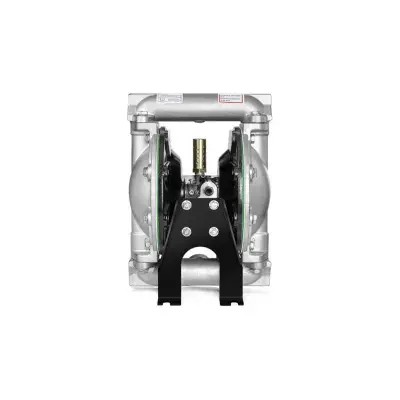
When I evaluate fluid handling equipment for a production line, I do not only look at output. I look at maintenance pressure, media compatibility, daily operating stability, and how easily the pump fits real factory conditions. That is why I pay close attention to the Pneumatic Diaphragm Pump. While reviewing solutions from Foshan WYMA Pneumatic Tools Co., Ltd., I found that this type of pump answers many of the problems buyers face in workshops, chemical transfer stations, coating lines, and wastewater applications. A well-matched Pneumatic Diaphragm Pump can help me move liquids with better control, lower leakage risk, and greater flexibility across different working environments.
What Makes Buyers Hesitate Before Choosing a Pump?
I often see the same concerns come up before a purchase decision is made. Buyers are not simply asking for a pump. They are trying to avoid process interruptions, product loss, and unnecessary repair costs. In many operations, the wrong model creates more trouble than value.
- I worry about whether the pump can handle corrosive, viscous, or particle-containing media.
- I want to know if the pump will keep performing under continuous duty.
- I need simple maintenance because downtime is expensive.
- I care about leakage risk when the transferred medium is sensitive, hazardous, or costly.
- I also need a solution that can adapt to different installation and operating requirements.
This is exactly where a properly selected Pneumatic Diaphragm Pump becomes practical. Instead of forcing one rigid pumping method into every application, it gives me a more forgiving and adaptable transfer solution.
How Does a Pneumatic Diaphragm Pump Solve Common Transfer Problems?
I like this pump category because its operating idea is straightforward and effective. It uses compressed air to drive diaphragms in alternating motion, which creates suction and discharge in a steady cycle. In practical terms, that means I can move many kinds of liquid without relying on a complicated sealing arrangement or an overly delicate structure.
For me, the biggest value is not theory. It is what happens on the shop floor. A Pneumatic Diaphragm Pump helps reduce the stress of handling liquids that may be abrasive, chemically active, or inconsistent in viscosity. It also gives operators more room to work safely when process conditions change during the day.
| Buyer Concern | What I Need in Practice | How This Pump Type Helps |
| Leakage risk | Cleaner and safer transfer process | Designed for controlled fluid movement with strong sealing performance |
| Media complexity | One solution for multiple liquid types | Suitable for low-viscosity liquids, thicker fluids, and some particle-containing media |
| Maintenance burden | Fast servicing and less downtime | Relatively simple structure helps streamline inspection and replacement work |
| Flow adjustment | Better control during changing production needs | Air-driven operation supports flexible flow regulation |
| Application flexibility | Reliable use across different industries | Can be matched to media and working conditions through material selection |
Which Product Advantages Matter Most in Daily Industrial Use?
When I compare pumps, I care less about broad sales language and more about whether the advantages will still matter after weeks or months of operation. In that sense, the strengths of a Pneumatic Diaphragm Pump are easy to understand because they connect directly to daily use.
- Operational flexibility — I can use it in facilities where compressed air is already part of the system, which simplifies integration.
- Good handling range — It can be matched for water-like fluids, coating materials, oils, chemical solutions, and more demanding transfer media.
- Reduced shutdown pressure — A simpler structure usually means easier routine checks and a more manageable maintenance rhythm.
- Better process confidence — For plants that care about contamination control or safer handling, this style of pump offers practical reassurance.
- Adaptable material options — Different body materials help me align the pump with the liquid instead of forcing the liquid to fit the pump.
That last point is especially important. I never treat material selection as a minor detail. If I am handling neutral fluids, oils, or coatings, my material priorities may be very different from what I need for corrosive chemicals or more aggressive media. A pump family with multiple material options gives me a better chance of choosing correctly from the start.
What Should I Look At Before I Place an Order?
If I want the best result from a Pneumatic Diaphragm Pump, I ask a few practical questions before sending an inquiry. These questions help me avoid buying a unit that looks acceptable on paper but fails under real conditions.
| Selection Point | Why I Check It | Impact on Buying Decision |
| Type of liquid | Different media demand different compatibility levels | Helps determine the most suitable pump material |
| Required flow rate | I need output that matches the process, not just a high number | Prevents underperformance or wasteful oversizing |
| Suction and discharge conditions | Installation layout influences real operating efficiency | Improves matching between pump and site conditions |
| Particle content | Some media may include solids or slurry characteristics | Reduces clogging and wear concerns |
| Customization needs | Branding, color, and project-specific details may matter | Supports smoother procurement and project consistency |
I also pay attention to supplier communication. A good supplier does more than list specifications. I want clear answers about compatibility, available configurations, delivery expectations, and whether the team can support my application instead of just pushing inventory.
Why Does Supplier Reliability Matter As Much As the Pump Itself?
I have learned this the hard way: even a capable pump can become a frustrating purchase when supplier support is weak. That is why I look at the total buying experience. I want a manufacturer that can explain product positioning clearly, respond to inquiries efficiently, and discuss details such as stock availability, customization, and model matching without wasting my time.
From a buyer’s perspective, confidence grows when the supplier can speak practically about performance, application fit, and order handling. That is one reason a company like Foshan WYMA Pneumatic Tools Co., Ltd. can attract attention from international buyers who want a more direct and workable sourcing experience for Pneumatic Diaphragm Pump projects.
How Can I Use This Pump to Improve Efficiency Instead of Just Replacing Old Equipment?
I do not see a pump change as a simple replacement task. I see it as a chance to improve the process. A better chosen Pneumatic Diaphragm Pump can help me reduce transfer interruptions, improve media handling stability, and give operators a more manageable system. Over time, those improvements matter just as much as the initial purchase price.
- I can standardize fluid transfer across different workstations.
- I can reduce risk when handling sensitive or demanding liquids.
- I can improve workflow by choosing a model that matches my actual process instead of relying on guesswork.
- I can create better long-term value through easier maintenance and more consistent operation.
That is why I recommend buyers take a closer look at the application, not just the catalog title. When the pump is chosen carefully, the return is not only mechanical performance. It is smoother production, fewer headaches, and more confidence in daily operations.
Is Now the Right Time to Upgrade Your Fluid Transfer Setup?
If you are comparing industrial pumping options and need a solution that is practical, adaptable, and easier to align with real operating needs, a Pneumatic Diaphragm Pump deserves serious consideration. If you want to discuss model selection, media compatibility, customization, or sourcing details, this is the right moment to take the next step. Reach out to Foshan WYMA Pneumatic Tools Co., Ltd. for more product information and tailored support. If you are ready to improve your transfer process and make procurement easier, contact us today and send your inquiry now.