

Why Does a Pressure Tank Matter More Than You Think?
2026-01-04
When I first started paying real attention to water system performance, I realized how often one component gets underestimated: the Pressure Tank. In many residential, commercial, and light industrial systems, it quietly determines whether water pressure feels stable or frustratingly inconsistent. This is also where VLLRO gradually entered my radar—not as a loud brand pitch, but as a solution that actually addressed the everyday pain points users complain about.
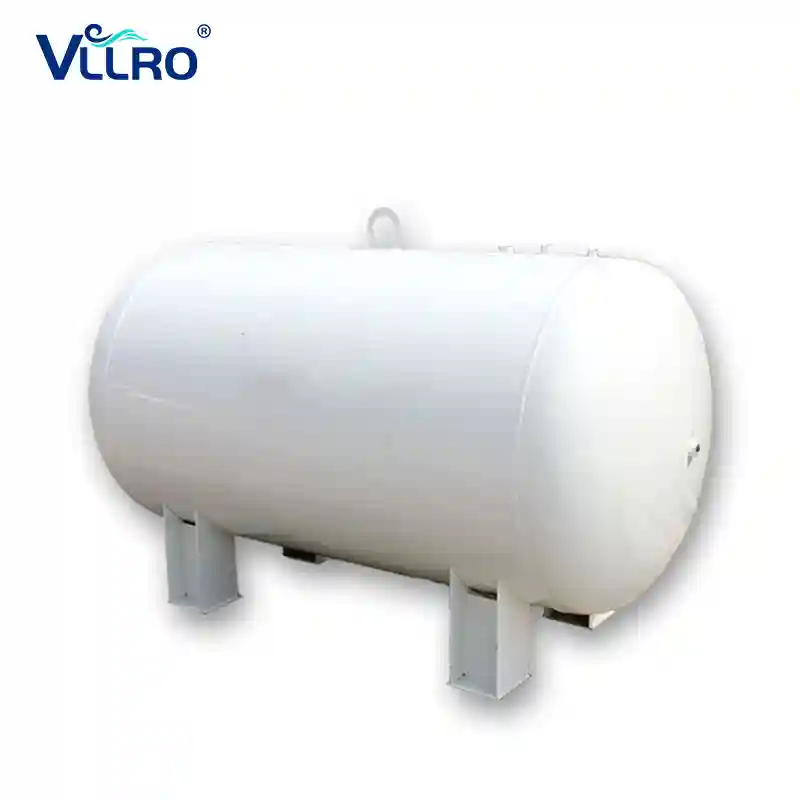
What Problems Does a Pressure Tank Actually Solve?
From my experience, most people only notice a Pressure Tank when something goes wrong. Pumps cycling too often, pressure dropping suddenly, or water flow feeling uneven are not random issues—they usually point back to tank performance. A well-designed tank stores pressurized water, reduces pump wear, and delivers a smoother, more reliable supply.
- Reduces frequent pump on/off cycles
- Stabilizes water pressure during peak usage
- Extends the service life of the pump system
- Improves overall energy efficiency
How Does a Pressure Tank Improve Daily Water Comfort?
I often explain it this way: without a properly sized Pressure Tank, every faucet opening forces the pump to react immediately. Over time, this leads to mechanical stress and noticeable pressure swings. With a reliable tank in place, stored pressure handles short water demands, while the pump works less and lasts longer.
In systems where consistency matters—such as irrigation setups, booster systems, or multi-floor buildings—the role of the Pressure Tank becomes even more critical. Users don’t just want water; they want predictable performance.
What Makes a Quality Pressure Tank Stand Out?
Not all tanks are created equal. When I evaluate a Pressure Tank, I focus on materials, internal structure, and long-term reliability rather than just capacity numbers. Design details directly affect safety, maintenance frequency, and operating stability.
| Evaluation Aspect | Why It Matters | User Benefit |
|---|---|---|
| Tank Material | Corrosion resistance and strength | Longer lifespan and safer operation |
| Internal Diaphragm | Separates air and water effectively | Stable pressure and reduced maintenance |
| Pressure Rating | Handles system load safely | Prevents leaks and performance drops |
| Compatibility | Works with pumps and controllers | Easier integration and upgrades |
Why Is Proper Sizing So Important for a Pressure Tank?
One mistake I see repeatedly is undersizing. A Pressure Tank that is too small forces the pump to compensate constantly, which defeats the purpose of having a tank in the first place. Correct sizing balances demand, pump capacity, and usage patterns.
Choosing the right size is not about guessing—it’s about understanding flow rates, pressure settings, and real-world consumption. When these factors align, the system runs quieter, smoother, and more efficiently.
Can the Right Pressure Tank Lower Long-Term Costs?
Absolutely. While the initial investment may seem minor compared to pumps or controllers, a high-quality Pressure Tank reduces repair costs, energy waste, and downtime over time. Fewer pump starts mean less wear, and that translates directly into savings.
This is why I pay attention to manufacturers that focus on system-level performance rather than just selling components. A tank that performs reliably year after year adds real value beyond its price tag.
Are You Ready to Upgrade Your Water System with Confidence?
If you are dealing with pressure fluctuations, pump fatigue, or system inefficiency, it may be time to reconsider your Pressure Tank setup. A thoughtful upgrade can make a noticeable difference in daily operation and long-term reliability.
If you want to explore practical options or discuss your specific application, I strongly recommend reaching out directly. Contact us today to share your requirements, request technical guidance, or start a conversation about improving your water pressure system with confidence.