

Why Does My Petrol Water Transfer High Pressure Pump Keep Losing Prime After Shutdown
2026-08-19
If you rely on a petrol water transfer high pressure pump for agricultural irrigation, construction dewatering, or emergency flood control, few things are more frustrating than walking back to your unit after a break only to find it sputtering, vibrating, and pushing nothing but air. At Yangyi, we have fielded thousands of service calls where the root complaint boils down to one stubborn issue: prime loss after shutdown. Understanding why this happens is the first step toward keeping your operation running without unnecessary downtime.
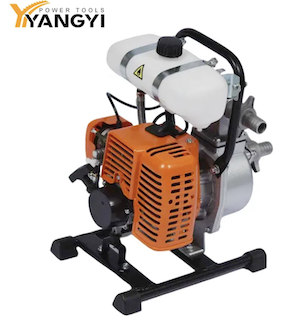
The Science of Priming: Why It Matters
A petrol water transfer high pressure pump operates by creating a vacuum at the inlet that lifts water from a source into the impeller chamber. When the pump stops, gravity, thermal contraction, and pressure differentials all work against that sealed column of water. If any part of the suction system allows air ingress, the water falls back to its source, and the pump loses its prime. With high-pressure units, the tolerance for air is even tighter because the impeller spins at higher RPMs to generate that extra force.
Top 5 Reasons for Prime Loss (and How to Fix Them)
| Cause | Symptoms | Recommended Fix (Yangyi Best Practice) |
|---|---|---|
| Leaking suction hose fittings | Air bubbles visible in the discharge line; pump runs rough | Replace worn gaskets; use thread sealant tape on all metal-to-metal connections. |
| Foot valve failure | Water drains back into the source within 2–3 minutes of shutdown | Install a new brass or stainless-steel foot valve with a spring-loaded check mechanism. |
| Cracked casing or seal | Visible moisture around the pump housing; oil discoloration | Inspect the mechanical seal; replace if worn. Yangyi pumps use double-lipped seals for extended durability. |
| Air trapped in the suction line | Pump primes slowly or intermittently | Re-route the suction line to eliminate high spots where air pockets form. |
| Insufficient submergence | Vortex forms at the suction strainer, drawing air | Submerge the strainer at least 3 feet below the water surface during operation. |
Step-by-Step Diagnostic Flow for Your Pump
-
Visual inspection – Check every joint from the strainer to the pump inlet.
-
Dry-run test – Remove the discharge hose and watch for steady flow within 30 seconds of startup.
-
Vacuum gauge reading – A healthy petrol water transfer high pressure pump should pull 20–25 inches of mercury at sea level. Anything lower indicates a leak.
-
Overnight retention test – Fill the suction line with water, close the foot valve, and leave it for 8 hours. If the water level drops, your valve is the culprit.
At Yangyi, we recommend installing a transparent section of reinforced hose right before the pump inlet. This simple addition lets you visually confirm whether the water column holds steady after each shutdown.
Proactive Maintenance Saves Downtime
Beyond fixing leaks, consider these preventative measures:
-
Always use a strainer with a mesh size appropriate for your water source (fine for clean water, coarse for muddy conditions).
-
Store your petrol water transfer high pressure pump with the suction line disconnected and drained to prevent sediment settling inside the volute.
-
Replace the fuel filter every 50 operating hours – a starving engine cannot maintain the RPMs needed to re-prime under load.
FAQ – Common Questions About Prime Retention
Q1: Can I install a check valve on the discharge side to prevent prime loss?
A1: Yes, but that alone will not solve the issue. A discharge check valve prevents backflow from the delivery hose, but it does nothing to stop the suction-side water column from falling. The only way to guarantee prime retention is to address the inlet side – specifically, a high-quality foot valve at the source and airtight seals on every suction joint. For harsh environments, Yangyi offers a combination foot valve + strainer unit made of marine-grade aluminum that resists corrosion and maintains seal integrity for over 2,000 cycles.
Q2: How often should I replace the mechanical seal on my petrol water transfer high pressure pump?
A2: Under normal use with clean water, the mechanical seal should be inspected every 200 operating hours and replaced at 400 hours or once per season – whichever comes first. However, if you pump abrasive water (sand, silt, or chemical residues), reduce that interval to 150 hours. Signs that your seal is failing include milky engine oil, visible weeping from the weephole, and a gradual drop in discharge pressure even at full throttle. Yangyi pumps feature a tool-less seal cartridge that cuts replacement time to under 10 minutes.
Q3: Does the length of the suction hose affect prime retention after shutdown?
A3: Absolutely. Every additional foot of suction hose increases the static head that the foot valve must hold. For a petrol water transfer high pressure pump, we recommend keeping the suction lift under 25 feet vertical and the total hose length under 50 feet for optimal prime retention. If you exceed these limits, the weight of the water column alone can overcome the foot valve's spring tension, causing gradual drainage. In such cases, install an intermediate check valve at the midpoint of the suction line, or upgrade to a Yangyi heavy-duty foot valve with a 2.0 kgf spring rating – designed specifically for high-lift applications.
When to Call a Professional
If you have gone through all the above checks – replaced the foot valve, tightened every fitting, inspected the seal, and verified submergence – yet your petrol water transfer high pressure pump still loses prime within minutes, the issue may lie in the impeller wear ring or the volute casing itself. Micro-cracks from thermal stress or cavitation damage can create invisible air pathways. Yangyi offers a comprehensive bench-test service where we simulate full operating conditions to pinpoint such hidden faults.
Final Checklist Before Every Startup
-
□
Suction hose fully submerged and free of kinks
-
□
All threaded connections snugged with sealant
-
□
Foot valve operates with an audible click when lifted
-
□
Pump casing filled with clean water (never run dry)
-
□
Fuel tank topped off to maintain consistent RPM
Contact Us for Expert Support
Prime loss is more than an annoyance – it wastes fuel, wears out your engine, and delays your project. At Yangyi, we have engineered our petrol water transfer high pressure pump lineup with oversized check valves, CNC-machined sealing surfaces, and corrosion-resistant impellers to minimize this exact problem. But when issues do arise, our technical team is ready to walk you through remote diagnostics or schedule a service visit.
Reach out to us today – visit our website, call our hotline, or email our support desk. Tell us your pump model, operating hours, and water source conditions, and we will send you a tailored priming recovery plan within 24 hours. Your time is valuable, and we are committed to keeping every Yangyi pump running at full pressure, every single start.