

Why Does the Right Submersible Pump Make Water Handling Far Easier?
2026-03-30
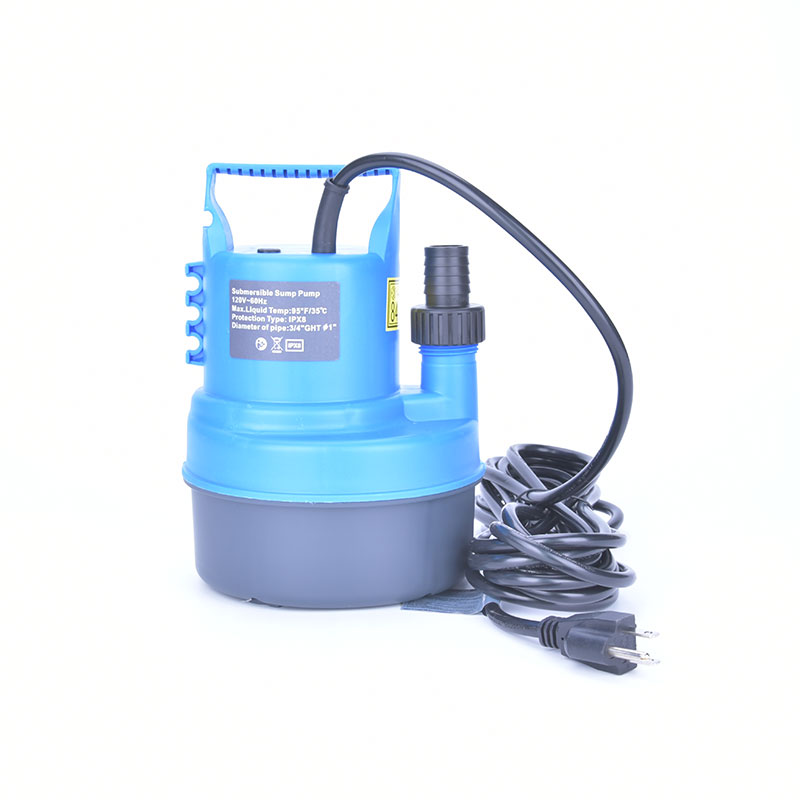
When I look at real water transfer problems, I rarely see buyers struggling because they do not understand what a pump is. I usually see them struggling because they are tired of unstable flow, repeated clogging, difficult installation, and equipment that does not match the job site. That is exactly why companies such as Ningbo Chuheng Electric Co., Ltd. have gained attention in the market. A well-designed Submersible Pump is not just a motor placed underwater. It is a practical solution for moving clean water, dirty water, drainage water, sewage, or deep well water in a safer and more efficient way.
If I were choosing equipment for drainage, irrigation, household supply, construction dewatering, or wastewater transfer, I would focus less on vague promises and more on whether the pump can adapt to real working conditions. A reliable Submersible Pump should be compact, easy to deploy, suited to different liquid conditions, and built to reduce maintenance pressure over time. That is where product range, structural design, and application fit start to matter.
How Do I Judge Whether a Submersible Pump Really Fits My Project?
I do not start with brand slogans. I start with the job itself. Before I compare models, I ask a few practical questions.
- Am I moving clean water, dirty water, sewage, or groundwater from a borehole?
- Do I need high flow, stable pressure, or both?
- Will the pump work continuously or only during temporary drainage tasks?
- Is corrosion resistance important in this environment?
- Do I need lightweight portability for frequent movement?
- Will solids or debris increase the risk of blockage?
These questions matter because one pump type cannot solve every problem equally well. In my experience, buyers make better decisions when they stop searching for a “universal” answer and start looking for the right configuration for their actual application.
| Application Need | What I Would Prioritize | Why It Matters |
| Clean water transfer | Lightweight structure and stable flow | Helps improve handling convenience and daily efficiency |
| Dirty water drainage | Stronger passage capacity and durable housing | Reduces interruptions caused by suspended particles |
| Deep well water supply | Deep-well design and dependable motor performance | Supports continuous groundwater lifting |
| Sewage transfer | Anti-clogging design and large flow capability | Improves wastewater handling reliability |
| Narrow pipeline sewage systems | Grinding capability | Helps break down solids before transfer |
What Problems Do Buyers Usually Want to Solve First?
Most buyers I have worked with are not chasing fancy specifications. They want fewer headaches. They want a pump that starts reliably, works efficiently, and does not create a new problem every few weeks. The most common pain points usually look like this.
- Pumps that are too heavy and inconvenient to move
- Flow performance that looks good on paper but drops in real use
- Frequent clogging in dirty water or sewage conditions
- Housing materials that do not hold up well in wet environments
- Complicated selection when one site has several water handling tasks
- Worry about long-term durability and replacement frequency
This is why I pay attention to manufacturers that offer more than one direction within the Submersible Pump category. If a supplier can support portable clean water pumping, dirty water drainage, deep well use, sewage transfer, and grinder applications, it becomes much easier to match the product to the project instead of forcing the project to adapt to the product.
Why Does Product Variety Matter More Than Many Buyers Expect?
A broad product line gives me something very important: flexibility. In real procurement, one buyer may be dealing with irrigation on one site, drainage in another location, and wastewater handling somewhere else. If I can source these needs through one experienced manufacturer, my decision process becomes more efficient and my communication becomes simpler.
From what I value in this field, the strength of a supplier is not only whether it produces a pump, but whether it understands how different water environments require different designs. For example, a portable clean-water unit should remain easy to carry and simple to install. A dirty-water model should be more tolerant of harsh handling conditions. A sewage and dewatering model should focus on large-volume transfer and reduced blockage risk. A deep well option should support demanding groundwater lifting tasks with confidence.
That kind of range makes a Submersible Pump offering far more practical for distributors, contractors, and project buyers who need choices rather than one rigid option.
Which Features Help Me Feel More Confident Before Sending an Inquiry?
When I review a pump supplier, I want evidence that the product was designed for use, not just for catalog presentation. Several features usually stand out to me.
- Compact structural design that supports easier placement underwater
- Application coverage for agriculture, drainage, domestic supply, and wastewater scenarios
- Material choices that support corrosion resistance and wear resistance where needed
- High-flow capability for tasks that require fast water transfer
- Motor and impeller design suited to stable pumping performance
- Models aimed at both clean-water and solids-handling environments
These are the kinds of details that turn a standard product into a dependable working tool. When I see a supplier building around real usage scenarios, I am more likely to believe the product will perform consistently after installation.
| Feature | Buyer Benefit | Practical Value |
| Compact submerged design | Easier placement and operation | Saves time during installation and use |
| Lightweight plastic options | Better portability | Useful for household and temporary drainage needs |
| Corrosion-resistant construction | Longer service confidence | Supports wet and demanding environments |
| Large flow capacity | Faster water removal | Improves efficiency in drainage tasks |
| Anti-blockage sewage design | Less interruption risk | Helpful for wastewater and dewatering work |
| Deep well compatibility | Better groundwater access | Suitable for borehole and well applications |
How Can I Match Pump Type to the Water Conditions More Accurately?
I always recommend matching the pump to the liquid first, not the other way around. That sounds obvious, but it is where many poor purchasing decisions begin.
If I need a pump for relatively clean water, I will look for a model designed to keep operation simple and efficient without unnecessary heaviness. If I need to move dirty water, I will want stronger tolerance for suspended matter and a build that can handle tougher use. If my project involves sewage transfer, I will focus on passage design and flow path efficiency. If the site depends on a borehole, I will shift my attention toward deep well performance and compatible motor support.
In other words, the right Submersible Pump is not chosen by guessing. It is chosen by understanding the water source, working depth, solids content, and performance expectation. Once those are clear, the selection becomes much more straightforward.
Why Do Distributors and Project Buyers Care About Reliability So Much?
Because downtime is expensive. If a pump fails during peak irrigation season, construction drainage, or wastewater transfer, the cost is rarely limited to the pump itself. Delays affect labor, schedules, operating safety, and customer trust. That is why I believe reliability is one of the strongest selling points in this market.
For me, reliability includes several layers. It means the pump should be easy to install, simple to use, adaptable across environments, and durable enough to keep performance consistent. It also means the supplier should understand both household-scale needs and more demanding commercial or industrial applications.
A dependable Submersible Pump can help reduce emergency replacements, minimize manual intervention, and support smoother operations across water management tasks. That is a direct business value, not just a technical talking point.
What Makes This Product Category Worth Considering for Long-Term Value?
One reason I continue to see strong market demand for underwater pumping solutions is that they answer multiple problems with one practical operating concept. By placing the pump directly in the liquid, the system can simplify water lifting and drainage in many settings. That basic approach supports efficient use across agriculture, homes, gardens, drainage sites, and sewage environments.
Long-term value also comes from the ability to choose specialized designs within the same category. Portable units answer convenience. Deep well systems answer groundwater supply. Sewage and dewatering models answer solids-handling needs. Grinder pumps answer situations where waste must be reduced before transfer through smaller pipelines.
For buyers who want a product line with room for different market demands, a strong Submersible Pump portfolio can create real commercial flexibility.
Where Can I Start If I Want a Practical Pump Solution Instead of Empty Marketing?
I would start with a clear conversation about the job conditions. Tell the supplier what kind of water you need to handle, how much flow you expect, whether there are solids involved, and whether the pump will be used for household supply, agricultural irrigation, construction drainage, or wastewater transfer. That simple step saves time and helps avoid the wrong recommendation.
If you are looking for a more dependable pumping solution, this is a good time to take a closer look at what Ningbo Chuheng Electric Co., Ltd. can offer through its Submersible Pump range. Whether your priority is clean-water transfer, dirty-water drainage, deep well supply, or sewage handling, choosing the right model begins with the right discussion. Contact us today to leave your inquiry, share your application requirements, and find the pump solution that fits your market and project needs more precisely.